
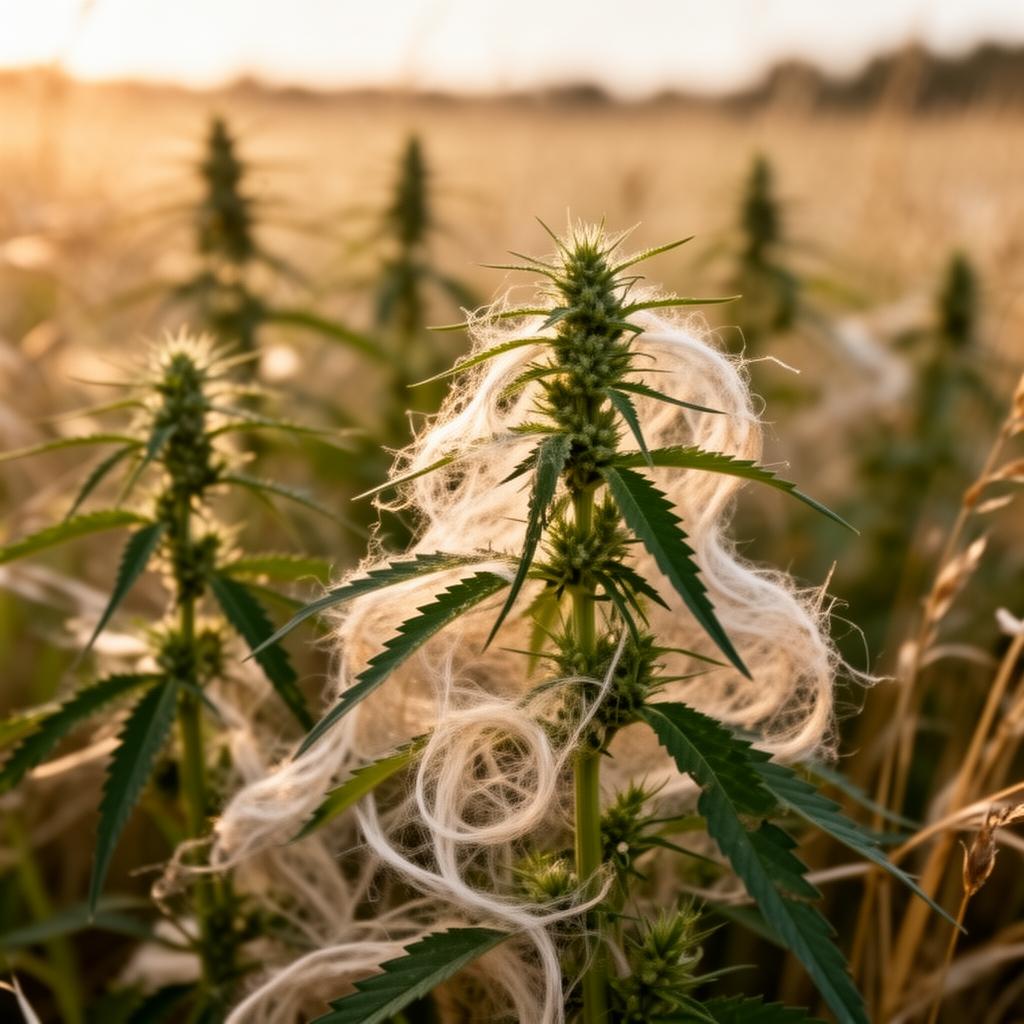
Hemp, Linen, Nettle: Plants for More Responsible Fabrics
Given the environmental impact of traditional fibers like cotton, the search for more virtuous alternatives has become a priority for the textile industry. Plant-based solutions that combine performance and responsibility are emerging as credible options. Among these, hemp, linen, and nettle stand out for their remarkable ecological properties and versatility.
Plant Fibers of the Future
Hemp, from the Cannabis sativa plant, is known for its robustness and great adaptability. Linen, obtained from the flax plant, has a long tradition in textile manufacturing and remains a reliable choice for quality fabrics. Finally, nettle, a less conventional fiber with considerable potential, is attracting growing interest for its ecological qualities. Together, these three materials pave the way for production that is more respectful of ecosystems.
A Culture with a Low Ecological Footprint
The environmental advantages of these fibers are distinct and complementary. Hemp cultivation, for example, requires significantly less water than cotton. Naturally resistant to pests, its growth requires no pesticides. Similarly, linen is a plant that requires little water and phytosanitary products. Fully biodegradable, its fiber can be easily recycled or composted at the end of its life.
Nettle, on the other hand, has a unique characteristic: it thrives on marginal lands unsuitable for food crops. This feature avoids competition between textile production and food production, a major strategic issue.
Versatility and Textile Applications
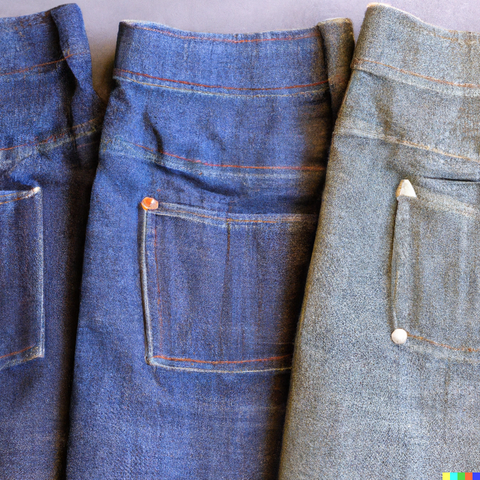
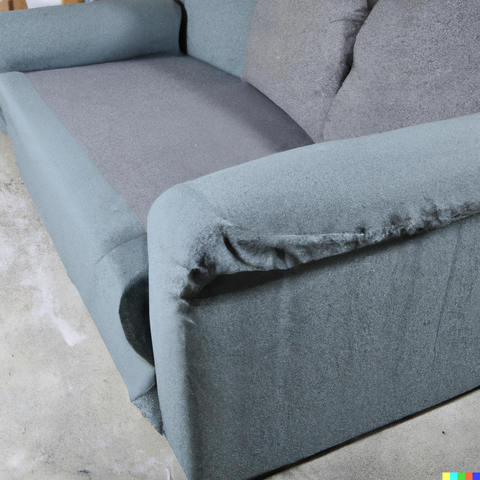
The diversity of these fibers allows them to be adapted to a wide range of applications. Linen, with its smooth and breathable texture, is ideal for making clothing such as shirts, dresses, or pants, as well as for household linen and upholstery fabrics. Hemp, with its slightly rougher texture, is often favored for robust fabrics like canvas, twill, or denim, perfect for workwear, bags, or shoes. When blended, it produces softer textiles for t-shirts or sheets.
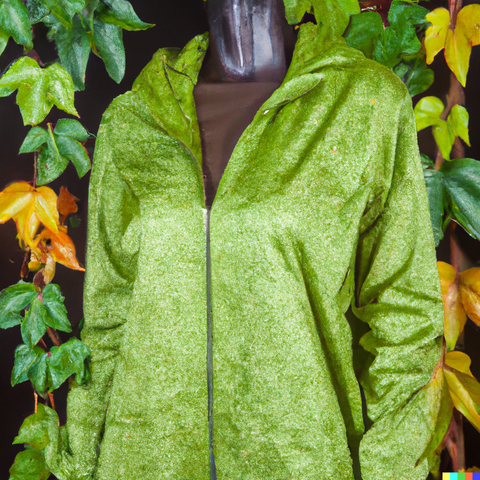
Although rarer, nettle fiber is used for luxury textiles, reminiscent of silk, and for creating shawls or scarves. When blended, it adds strength and texture to clothing and interior textiles.
Upcycling to Complement Sustainable Materials
Adopting these eco-responsible fibers is a fundamental step. However, it must be accompanied by a reflection on the consumption of raw materials, where overproduction remains a central problem. Upcycling provides a relevant answer by reusing existing textiles to create new products. By giving a second life to fabrics, this practice reduces the demand for new production and the pressure on planetary resources.
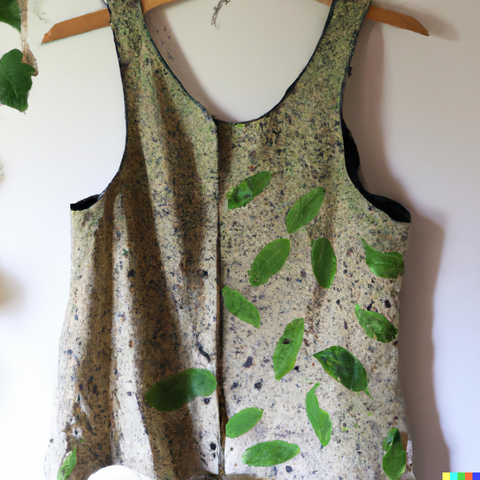
In conclusion, hemp, linen, and nettle represent responsible textile solutions to reduce the industry's impact. For a complete transition, however, it is essential to couple the use of these sustainable materials with circular practices like upcycling, in order to minimize the production of virgin materials and overall waste.