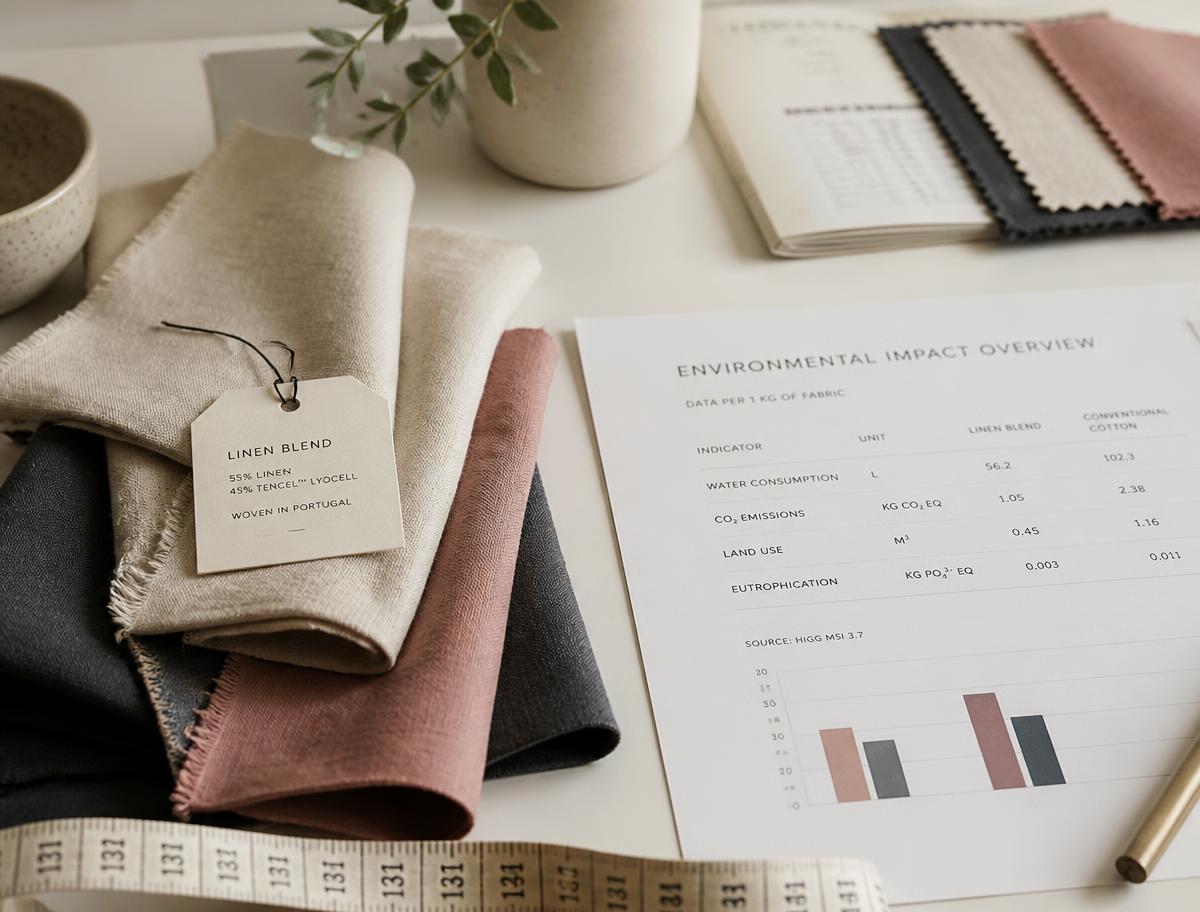
Textile LCA and regulation: measuring fashion's impact with OffCarbon
Life cycle assessment, environmental labelling, AGEC law, CSRD: what impact measurement actually changes for fashion brands — and why it always comes before communication.

Fashion and textile industry — our reflections on upcycling and sustainable fashion.
Life cycle assessment, environmental labelling, AGEC law, CSRD: what impact measurement actually changes for fashion brands — and why it always comes before communication.
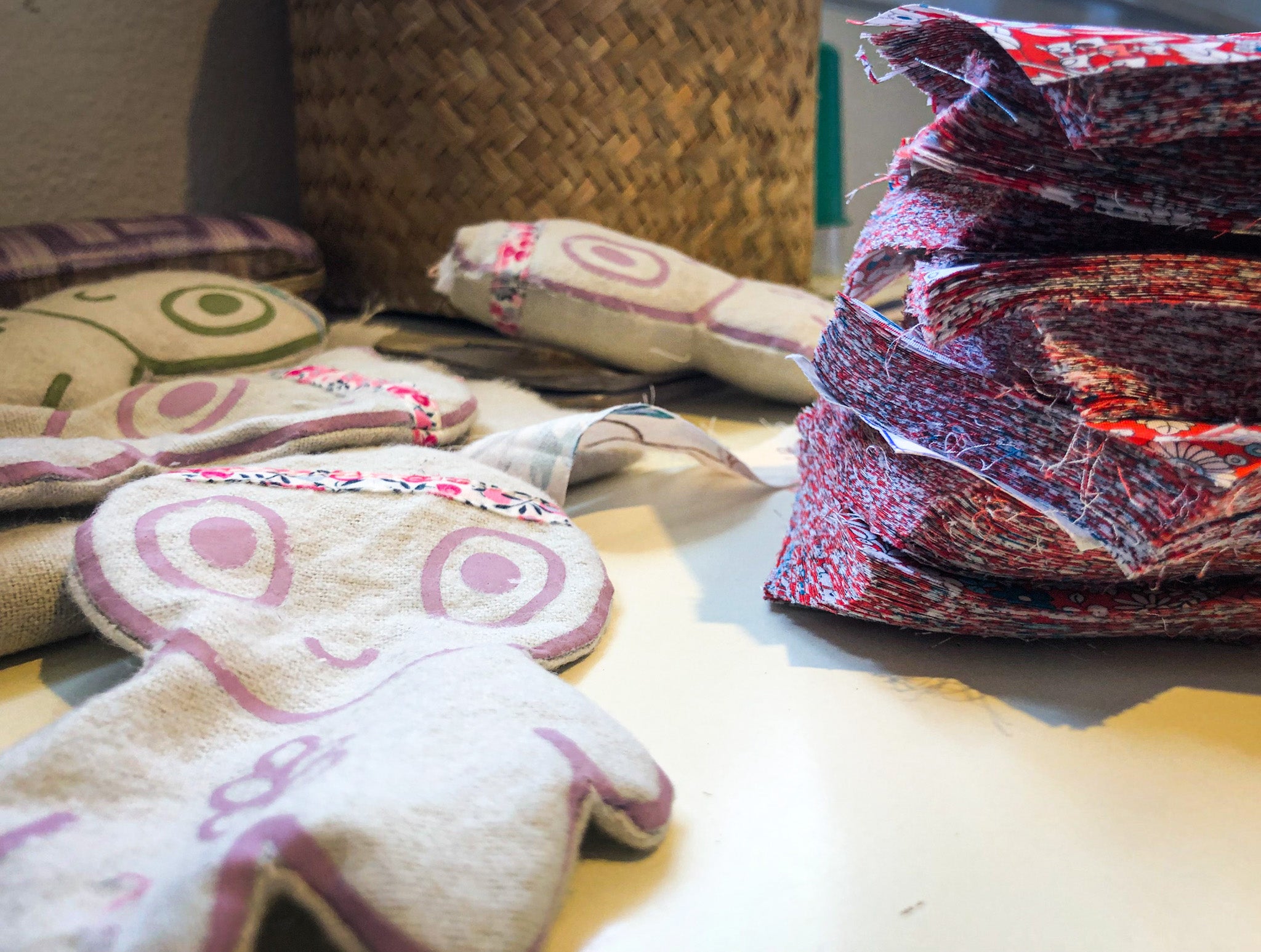
While Azala designs its one-of-a-kind pieces, a thousand-strong workshop in Antananarivo produces collections for some of the finest childrenswear houses. It is from the fabric scraps of LOI Confection that Azala's raw material is born.

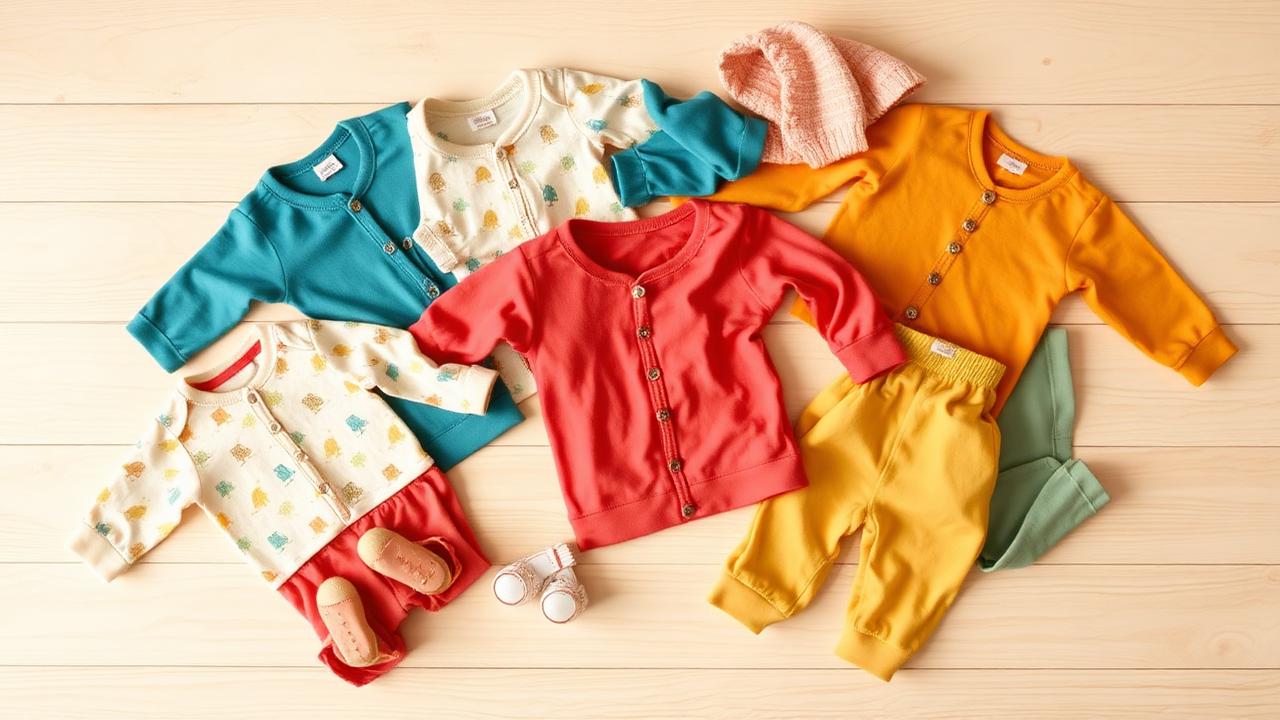
Azala redefines its identity and presents Éclat, its new collection of upcycled pieces for ages 0-4. A radiant wardrobe, thoughtfully crafted from reclaimed textiles.
Did you know that it takes 7,570 liters of water to produce one pair of jeans, equivalent to one person's water consumption over 7 years? The fashion industry's impact is colossal, accounting for 10% of global greenhouse gas emissions, exceeding the combined emissions of all international flights and maritime shipping.
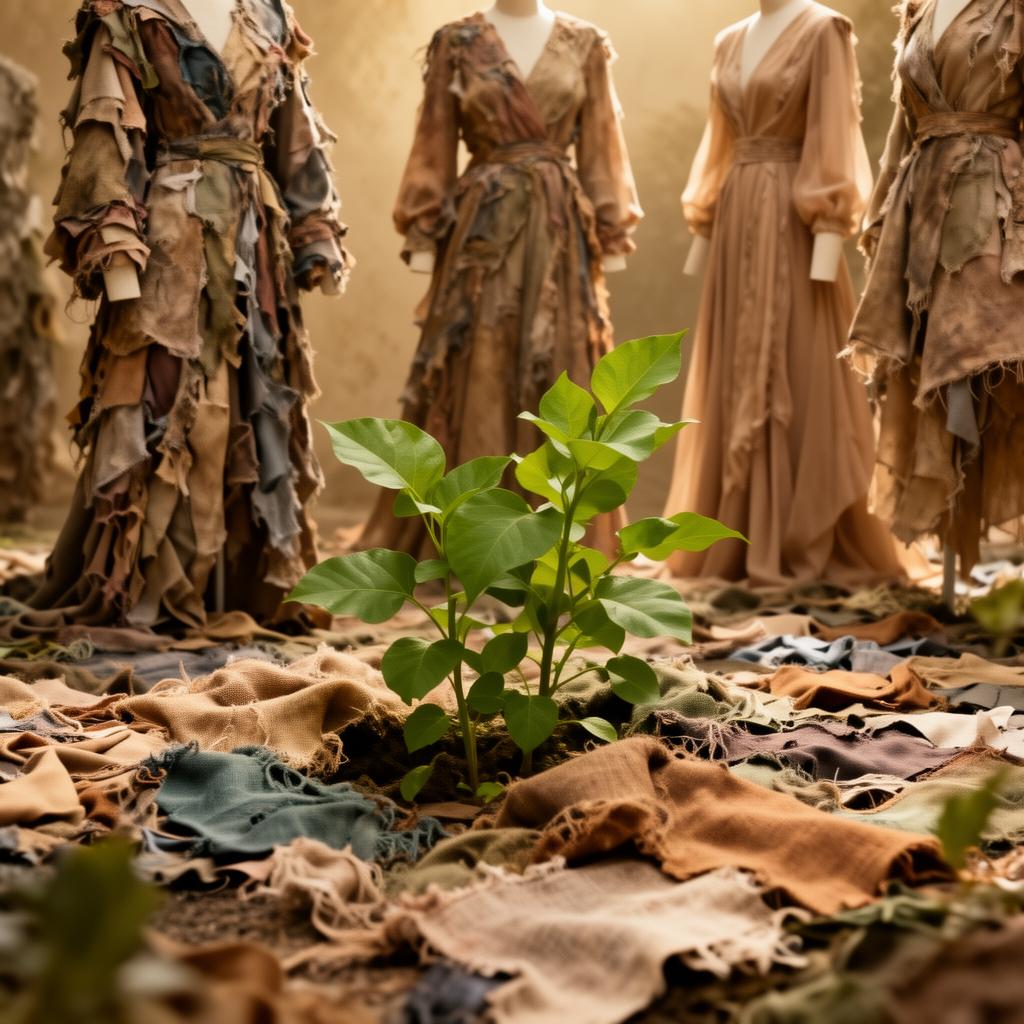
In a world where the climate emergency calls for a revolution in our consumption and production habits, upcycling is emerging as a beacon of hope, particularly in the fashion industry, which is known for its heavy carbon footprint. Azala, at the forefront of this revolution, is rethinking manufact
A look back at 2023, a pivotal year for Azala, and a preview of our 2024 outlook, highlighted by the launch of our first women's collection and a renewed commitment to upcycling.

Social media have profoundly reshaped the fashion industry by democratizing trends and accelerating awareness around ethical and sustainable issues.
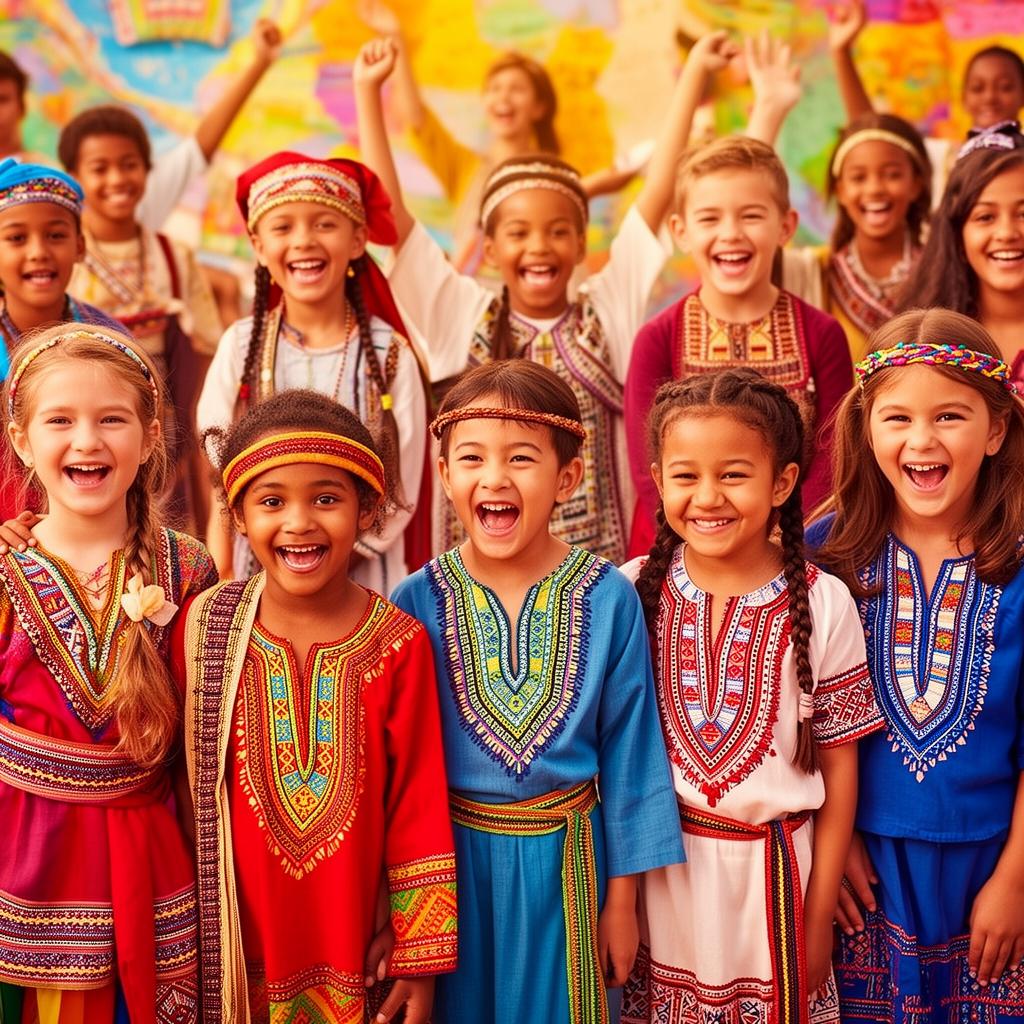
Fashion is much more than just a matter of fabrics and trends. It is a reflection of our history, our cultures, and the values we cherish. This is especially true when it comes to children's clothing, where every woven thread tells a story, and every color carries a legacy.
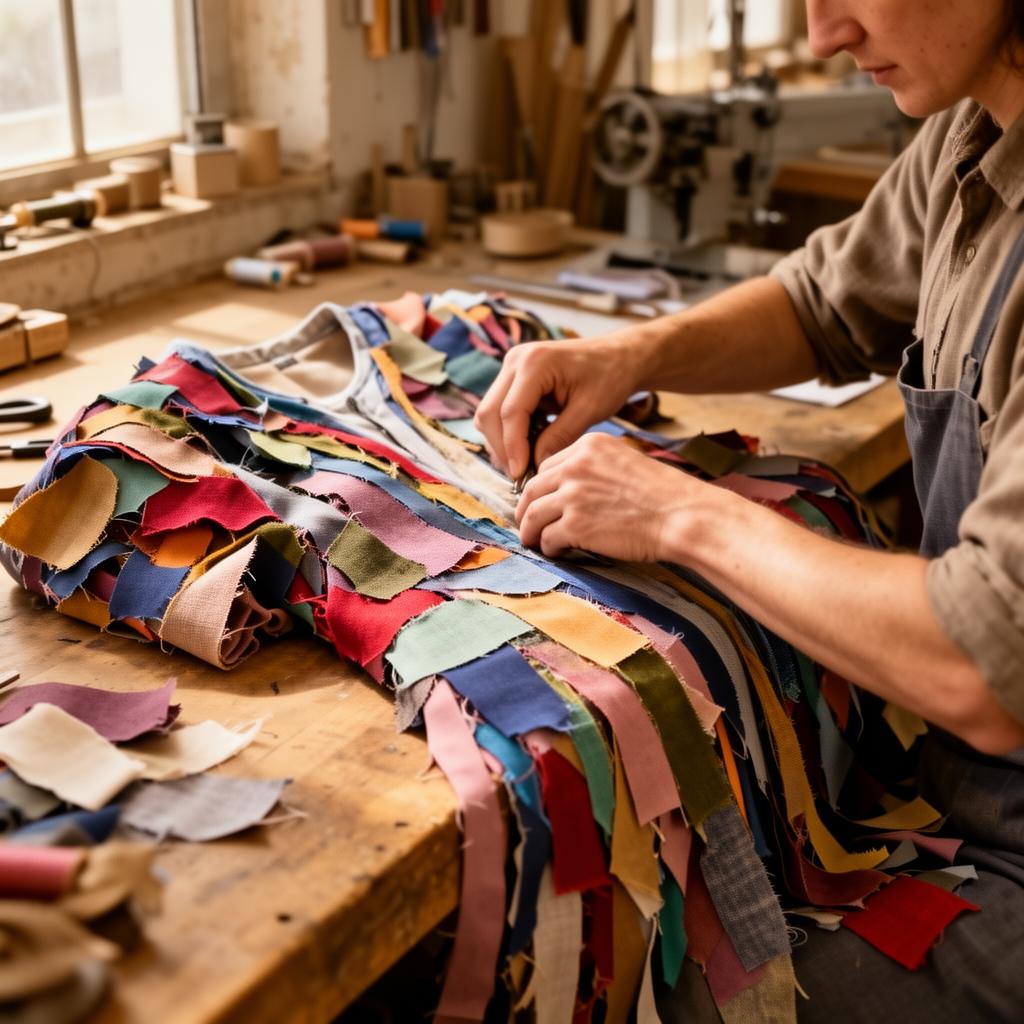
In a world where responsible consumption and sustainability are taking center stage, upcycling is emerging as an innovative response to environmental challenges. At Azala, we have embraced this revolutionary practice to turn waste into treasure, thereby redefining the value and
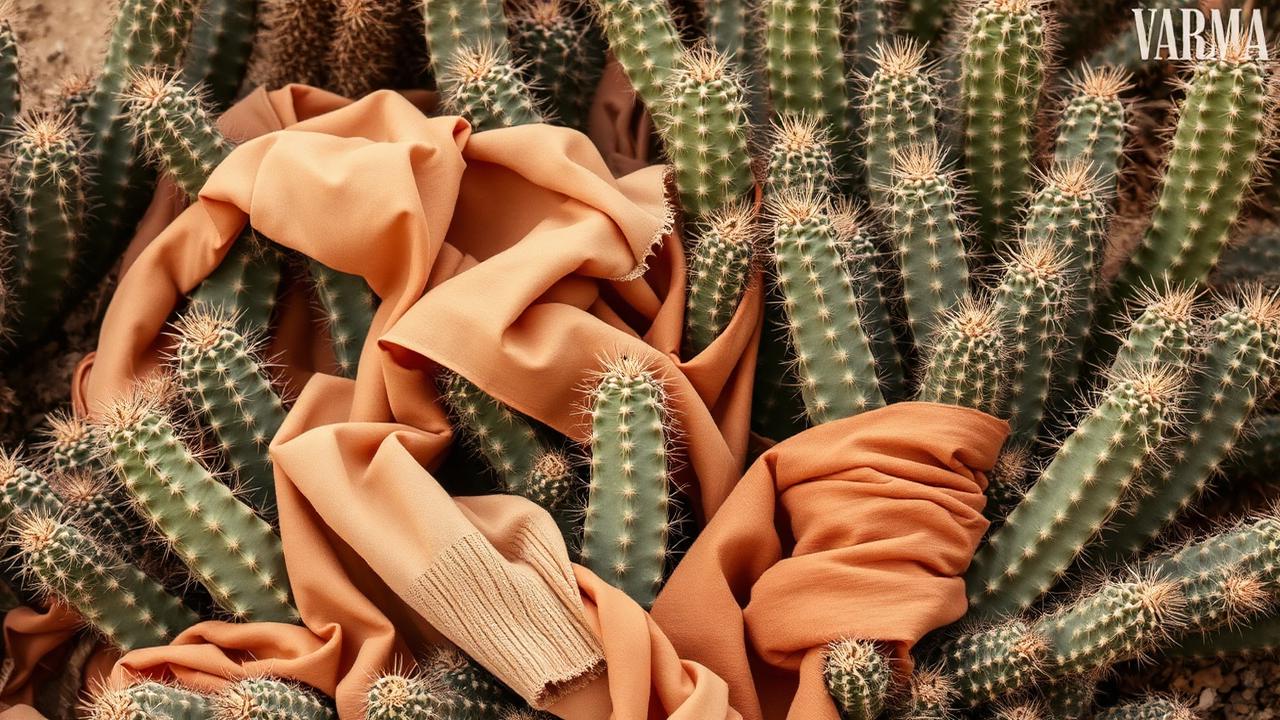
Azala presents its Cactus collection, inspired by an American textile road trip. An ode to craftsmanship and upcycling, where the worker jacket is reinterpreted through patchwork.

A one-sentence definition of fashion, historical landmarks, key textile figures and responsible-fashion stakes: the clear guide by Azala studio.

Green labels, "responsible" collections, the meteoric rise of fast fashion: a clear-eyed analysis of the gap between ethical discourse and industrial practice.
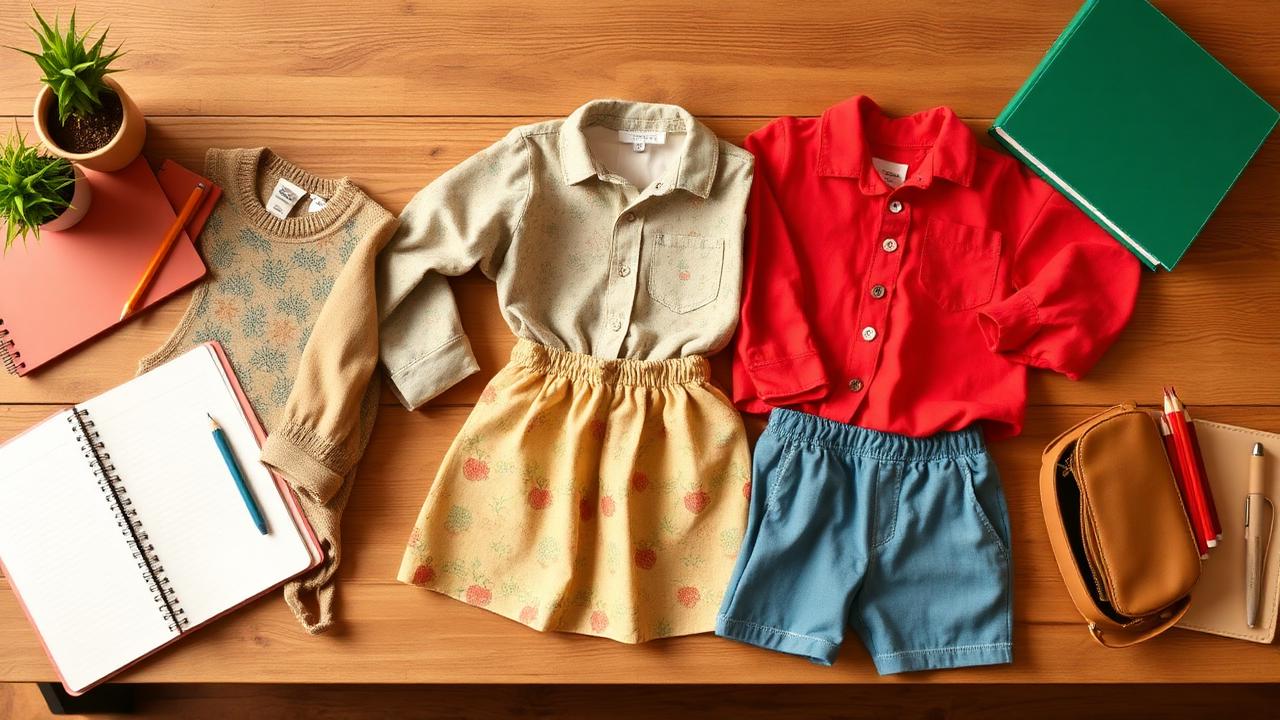
2023 marks a decidedly innovative turn in the world of children's fashion. While trends evolve every year, this new season is distinguished by a harmonious balance between tradition and modernity, between ethical commitment and aesthetic exploration. Designers, while drawing inspo...
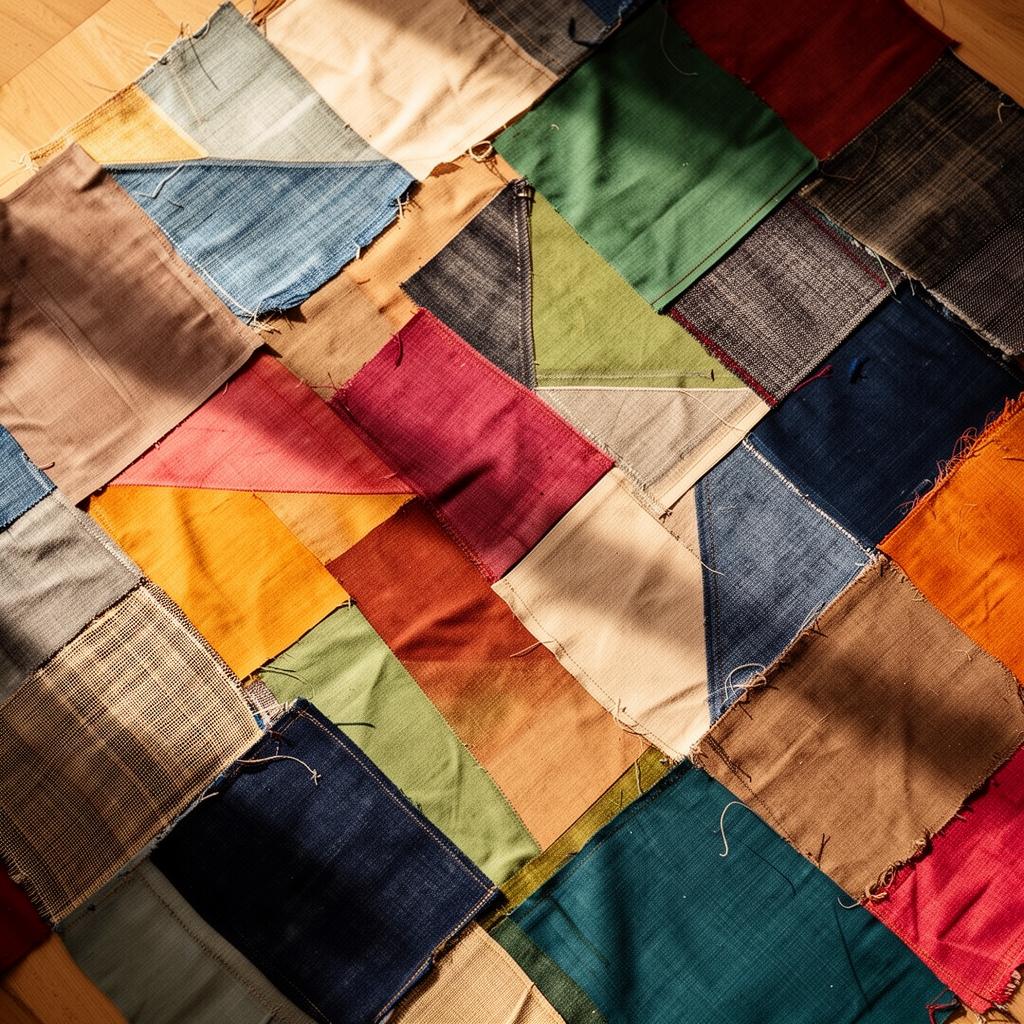
In the current context of sustainability and the circular economy, upcycling stands out as an innovative solution in the fashion sector. It is defined by the transformation of 'waste,' or used clothing, into new fashion pieces. This concept comes in two forms.
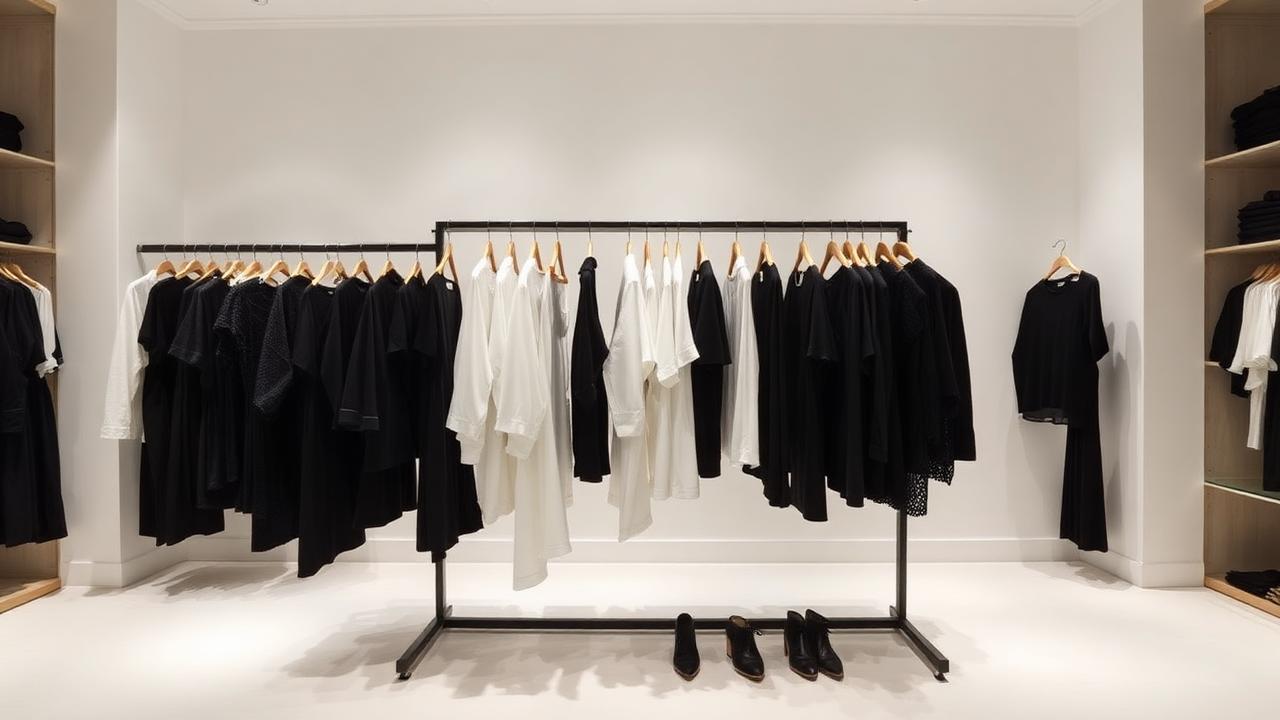
A pioneer of conscious fashion since 1975, Agnès b. shows how ethics and sustainability can be the heart of a brand's lasting success.
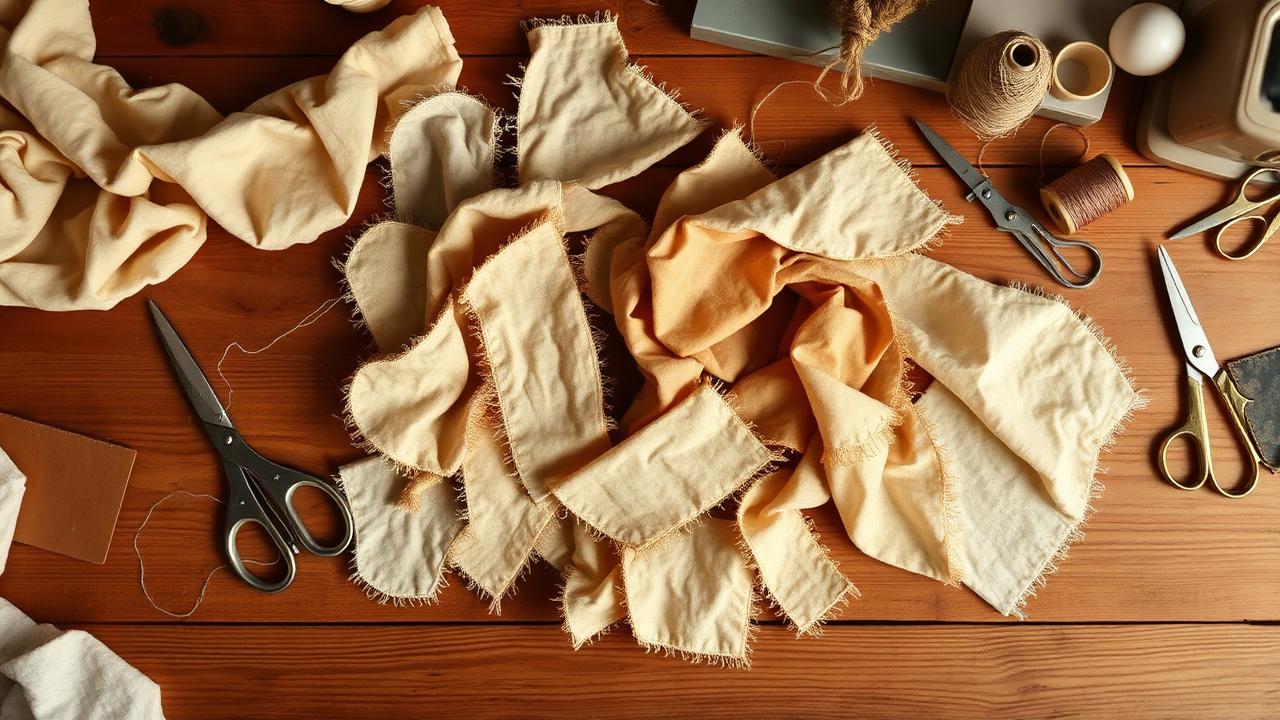
More than just reuse, upcycling involves transforming existing materials into objects of higher value. A deep dive into this cornerstone of the circular economy.
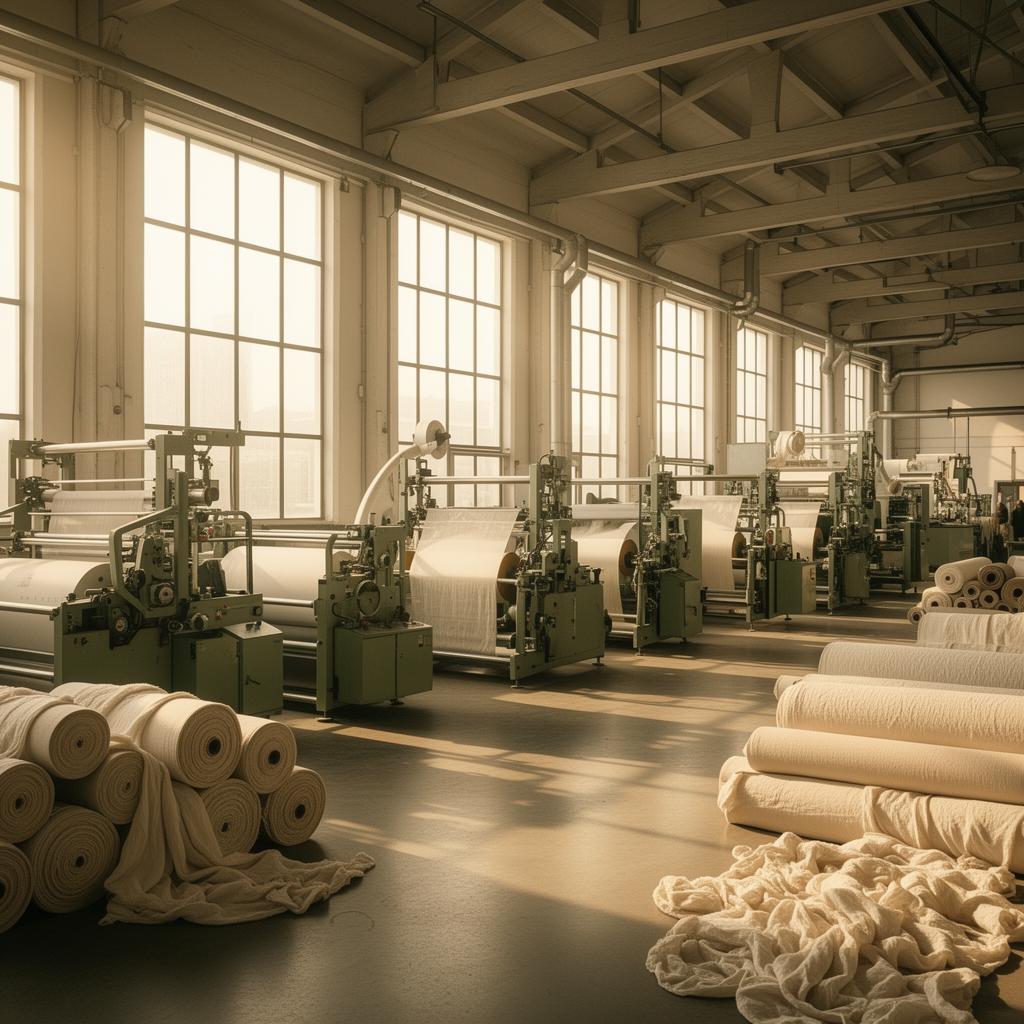
The textile industry is reportedly responsible for nearly 10% of global CO2 emissions. An analysis of the levers for action to reduce this impact, from raw materials to upcycling.
Responsible fashion challenges the fast fashion model. It requires a reassessment of environmental and social impacts at every stage of the textile value chain.
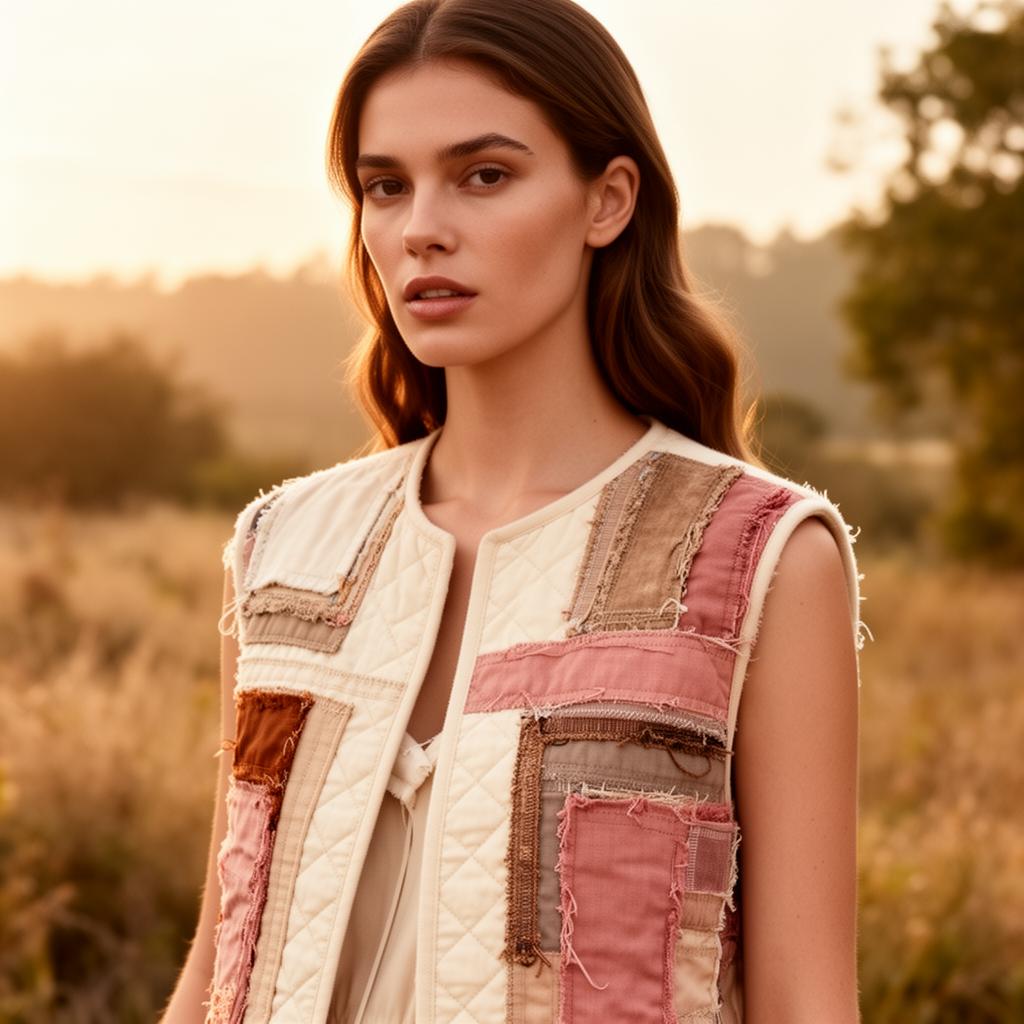
A key piece in a modular wardrobe, the vest transcends seasons. It serves as a case study for its industrial efficiency and creative potential.
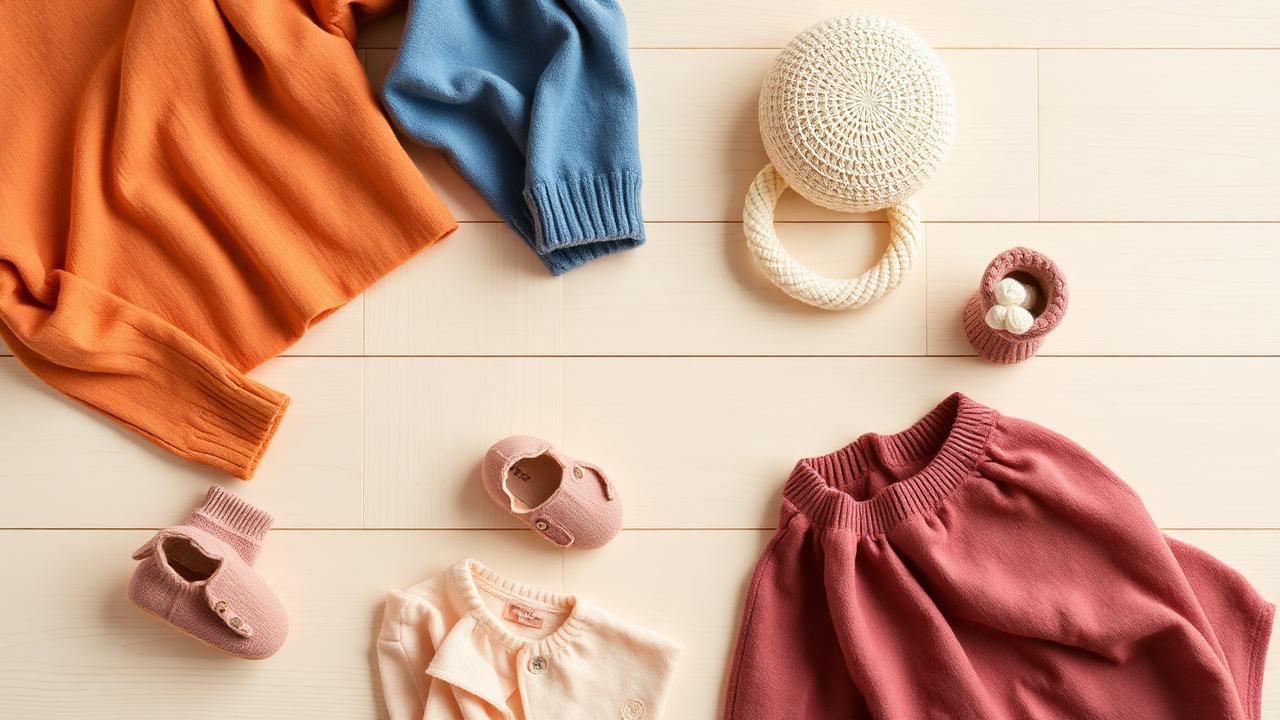
The children's fashion sector is transforming in response to new expectations. Second-hand, upcycling, and a demand for transparency are redefining production and consumption models.
A quintessential functional piece, the sleeveless jacket has become a medium for textile innovation, balancing the craft of quilting with material circularity.
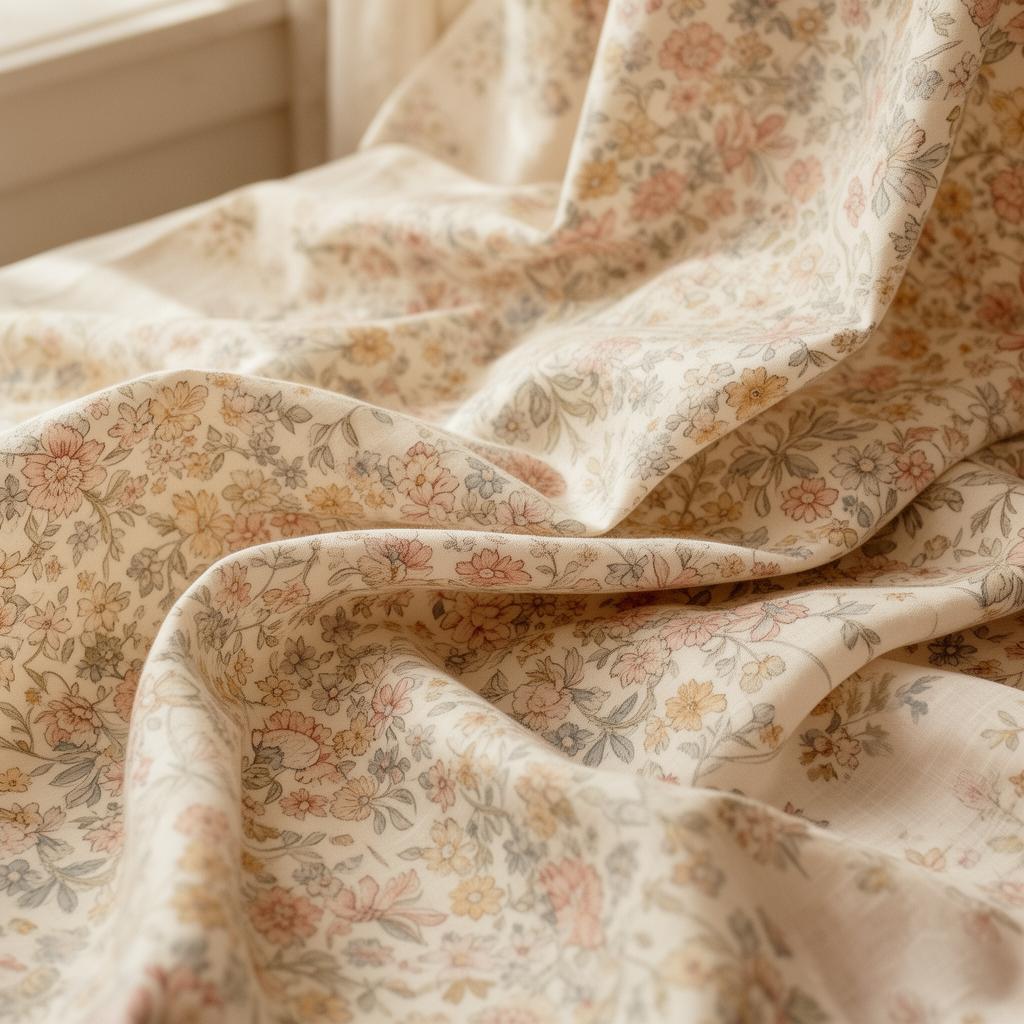
Born from the trade of Eastern goods in 1875, the Liberty print has become a generic term. An analysis of a textile success story that has transcended eras, from haute couture to ready-to-wear.

Francisco Rabaneda y Cuervo, known as Paco Rabanne, treated the garment as architecture. His use of new materials paved the way for a redefinition of what constitutes a luxury material.

As a technical and complex garment, the jacket is a prime testing ground for developing new materials and circular production models.
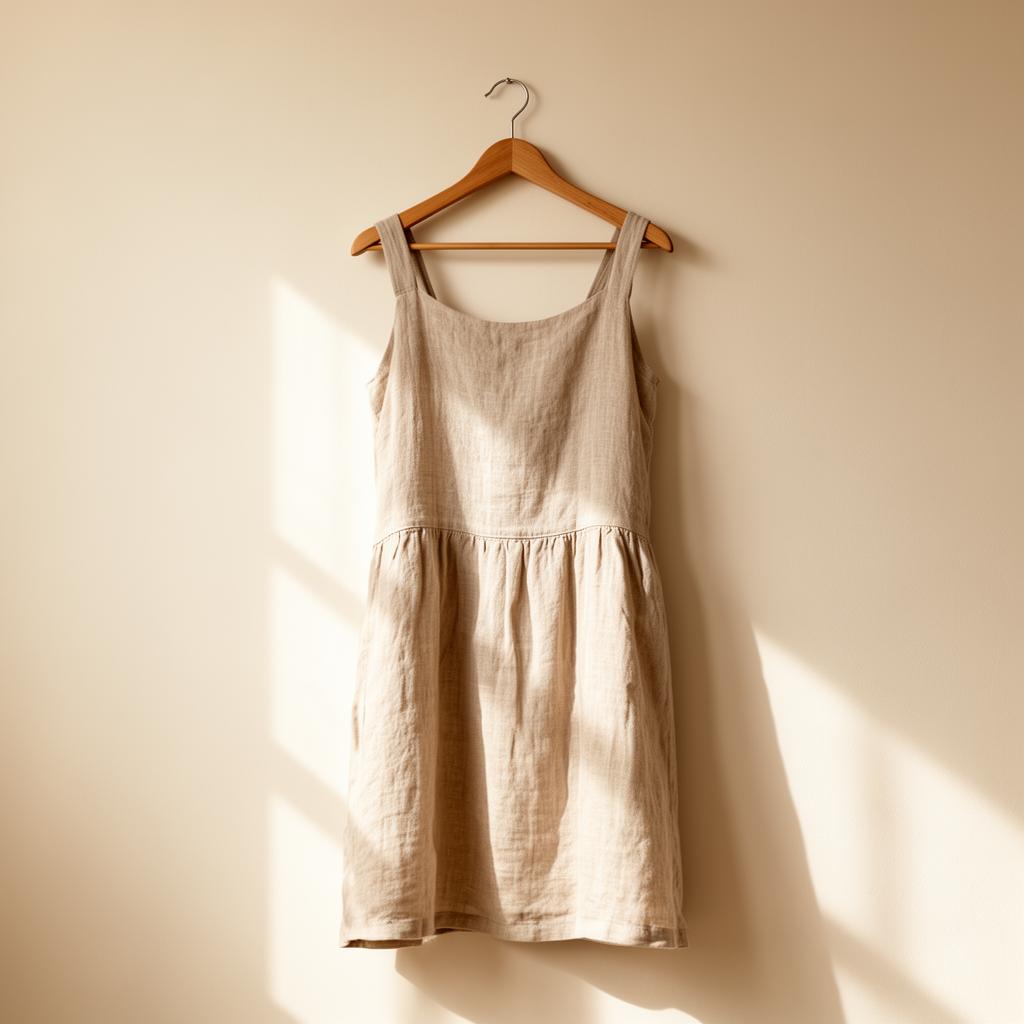
Slow fashion is a movement that has gained momentum in recent years, advocating for a more sustainable and conscious approach to clothing consumption. It's the antithesis of fast fashion, a term used to describe the rapid, incessant production of low-cost clothing.
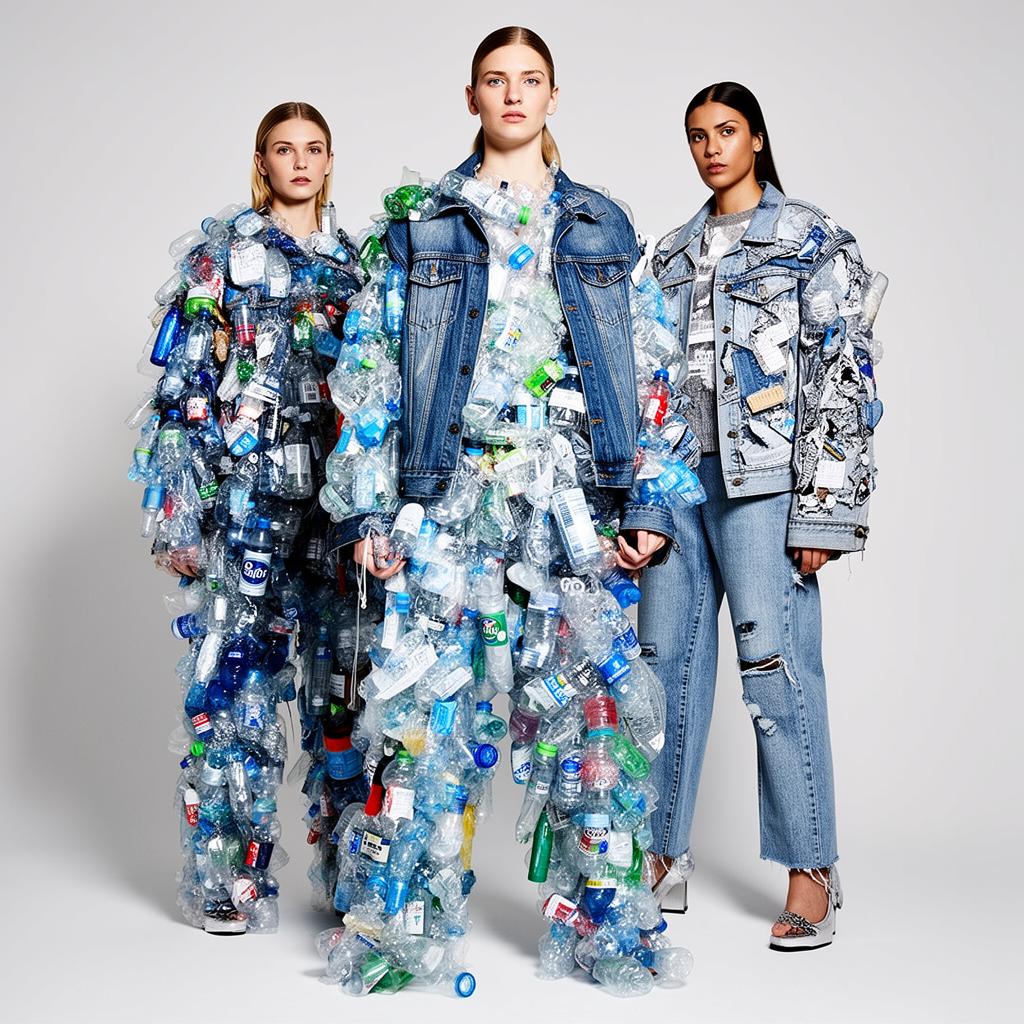
Fashion is a constantly evolving industry, with new trends and styles emerging each season. However, the fast-paced nature of this sector often leads to overproduction of clothing and waste that harms the environment. With the growing concern for...
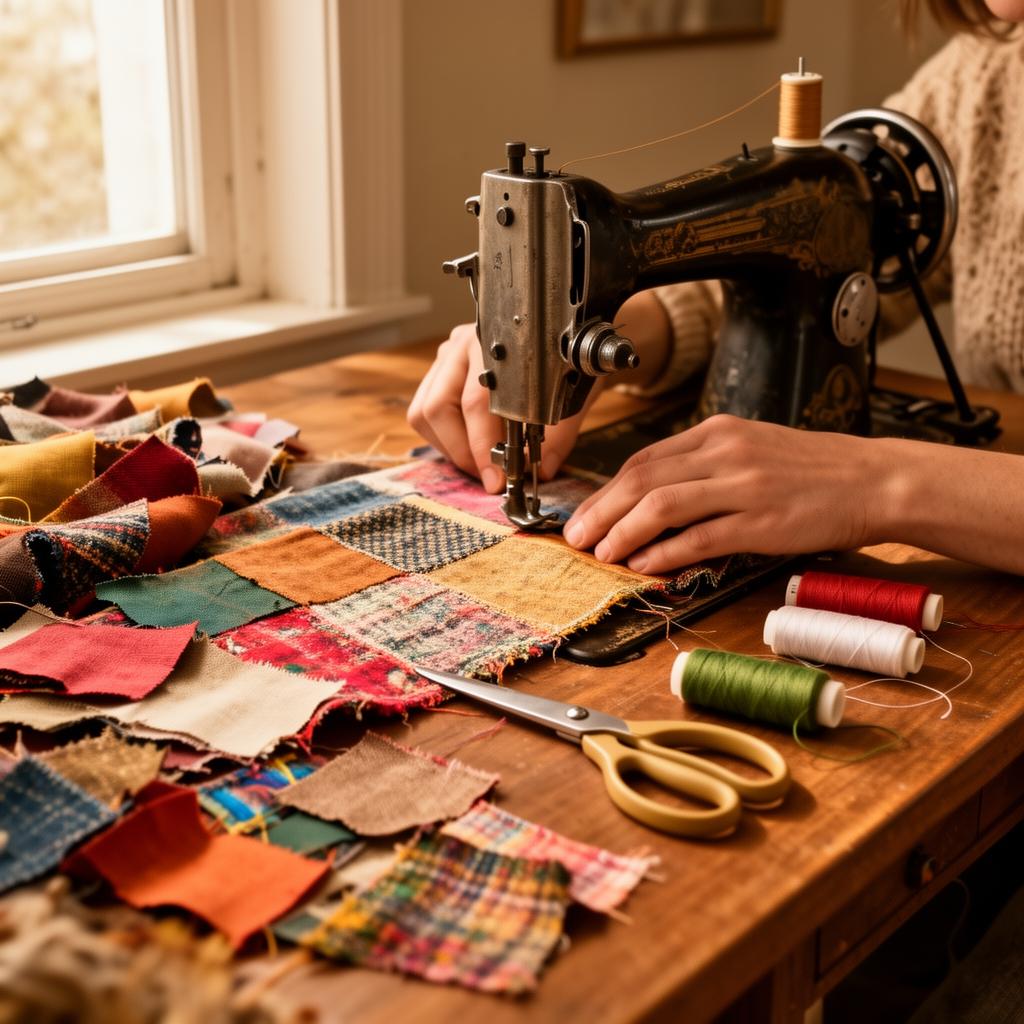
Upcycling has become a popular trend in recent years, as more people seek to reduce waste and preserve the environment. It involves transforming old or discarded items into something new and valuable. Upcycling is not only...

As a parent, you want your child to be able to enjoy the great outdoors, whether it's hiking, playing at the park, or playing sports. However, dressing your child appropriately for outdoor activities can be challenging, especially if you don't know what to look for.

As parents, we want what's best for our children, including their clothes. We want our kids to look good, feel comfortable, and be safe in their clothing. We also want to make environmentally friendly and sustainable choices. Upcycling is a great way to do that, but why is it so rare to find upcycled clothing for babies and kids?
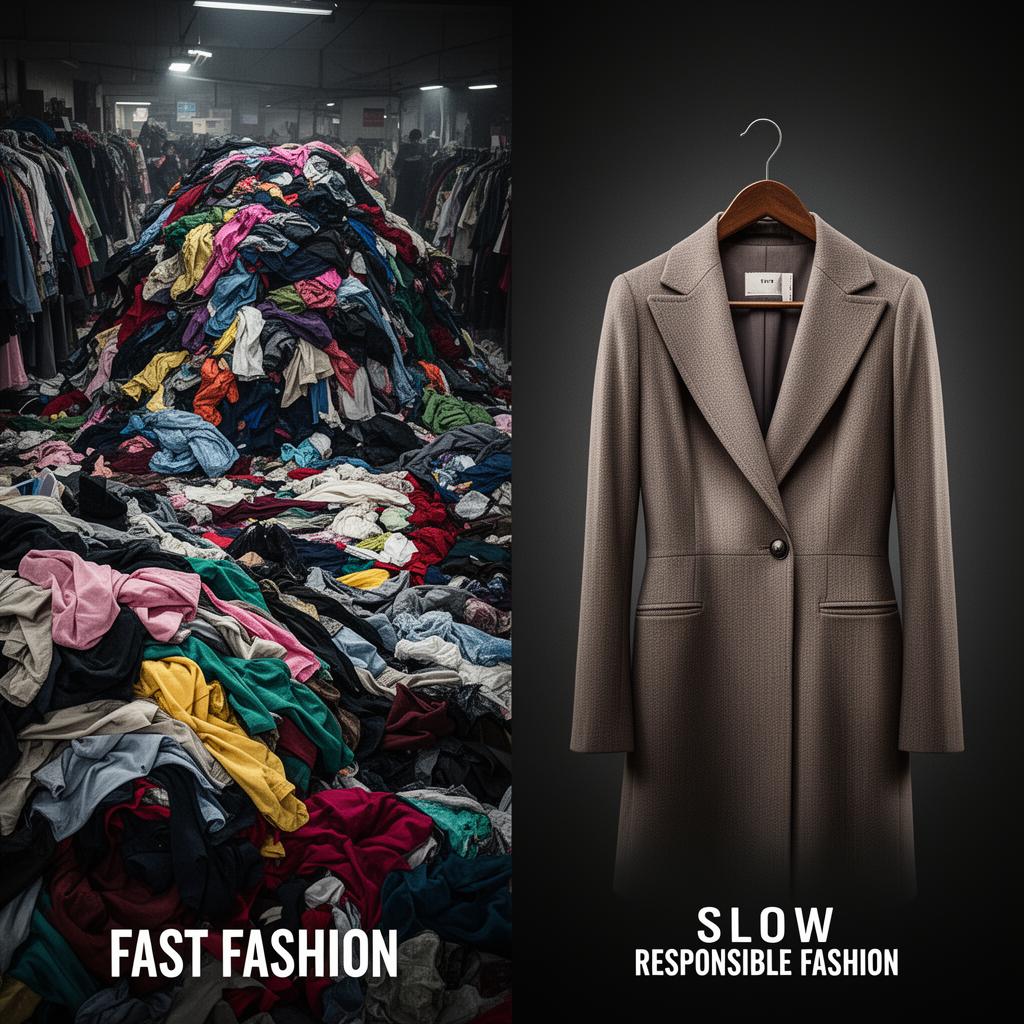
Understanding fast fashion... Fast fashion is a term used to describe the rapid production and consumption of clothing designed to be inexpensive and trendy. This approach to fashion has grown rapidly in recent years, with the sector valued at over $35 billion.

Faced with the impact of cotton, hemp, linen, and nettle are emerging as sustainable plant-based alternatives with multiple ecological benefits and textile applications.
Beyond marketing, what defines a truly responsible brand? An analysis of models based on materials, production, and end-of-life strategies.

The concept of green growth is often set against that of degrowth. A pragmatic look at what it concretely means for the textile industry.
Eco-design, also known as ecological or sustainable design, is the practice of designing products and systems with the aim of minimizing their impact on the environment. The textile industry is an area where eco-design is particularly relevant, as the
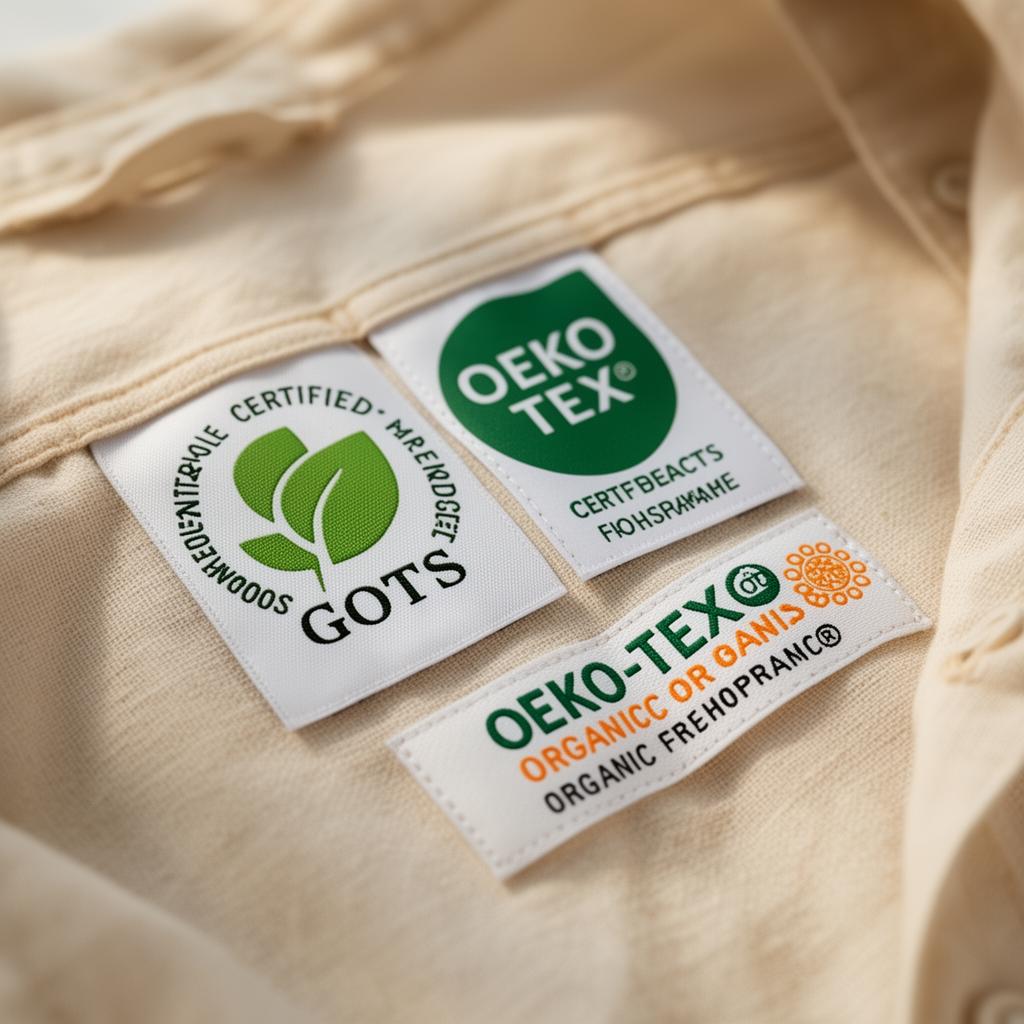
GOTS, Oeko-Tex, Fairtrade… With a plethora of textile labels, it's easy to get lost. Azala helps you see clearly to make informed choices.
Greenwashing obscures the path to informed consumption. Our guide helps you decipher marketing narratives and distinguish genuine commitments from mere posturing.

Launching a sustainable fashion brand requires a blend of commitment and business acumen. This article examines common pitfalls and offers practical strategies to build a lasting business.
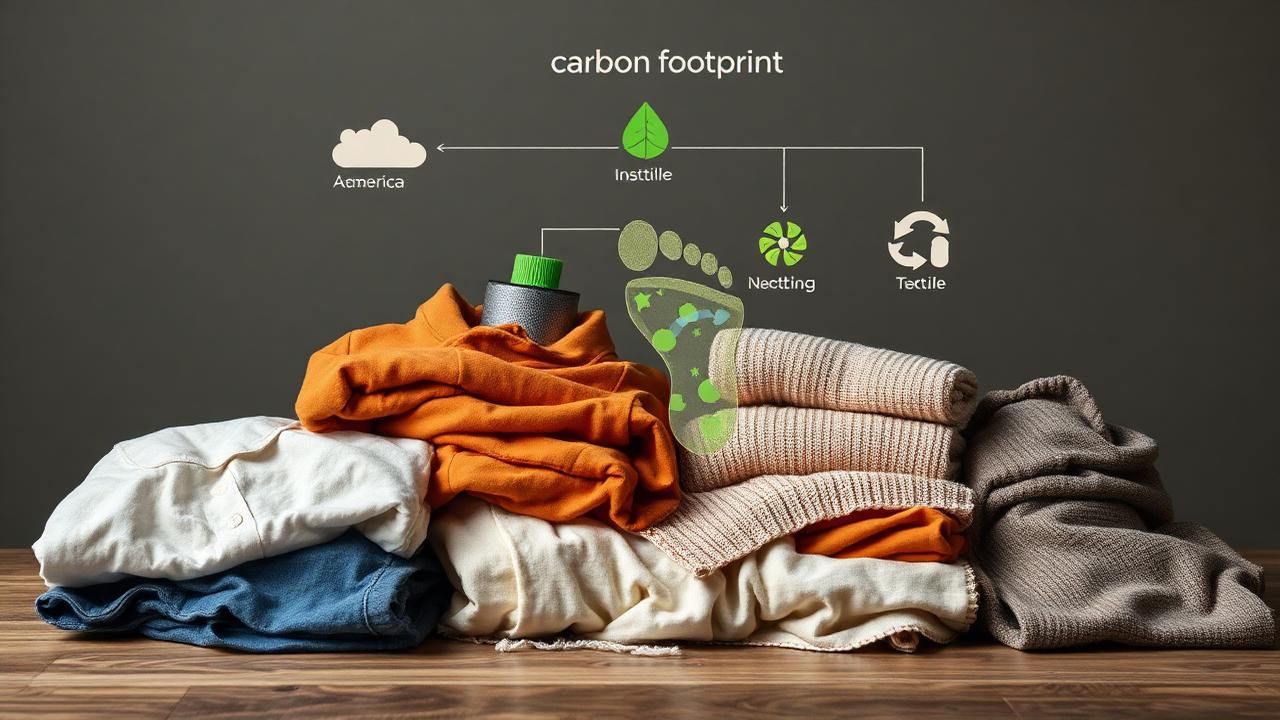
From cotton farming to the end-of-life of our clothes, what is fashion's real carbon impact? A data-driven analysis of the key stages in a garment's life cycle.
In a world moving quickly towards a sustainable future, upcycling has emerged as a powerful protagonist, changing how we perceive the lifecycle of clothing. But what is the real influence of upcycling on the fashion industry's carbon footprint?
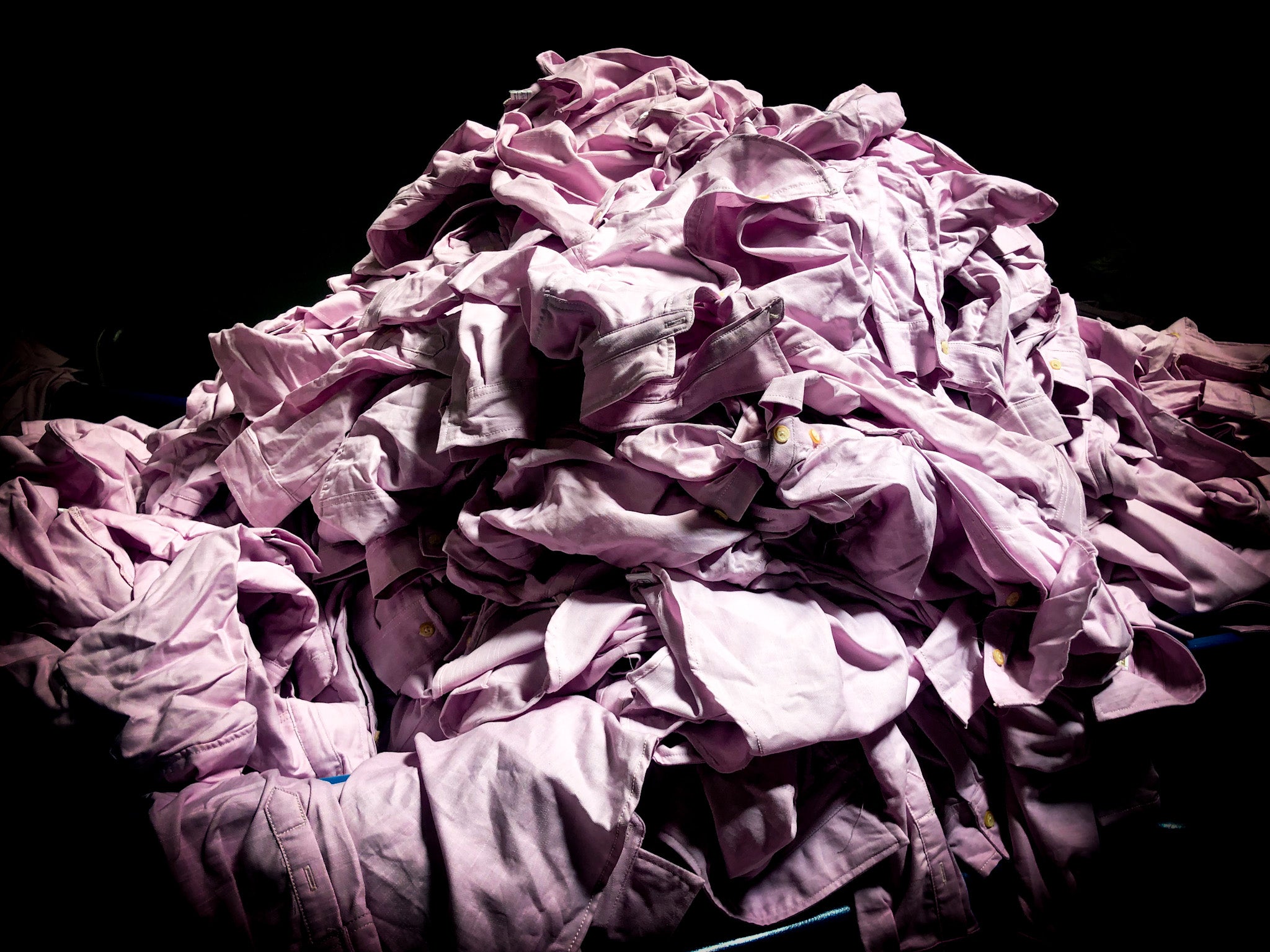
Key takeaway: the fashion industry emits as much CO2 as a G7 country. Abundant energy has kept the textile industry in a linear production model: produce, use, then destroy. This model has lowered costs and prices, but remains environmentally inefficient.
The circular economy is often cited as the most effective solution for making our industries more sustainable. Yet, the question of the business model is often set aside. To build a more perennial economy, every link in a product's life cycle must be addressed.
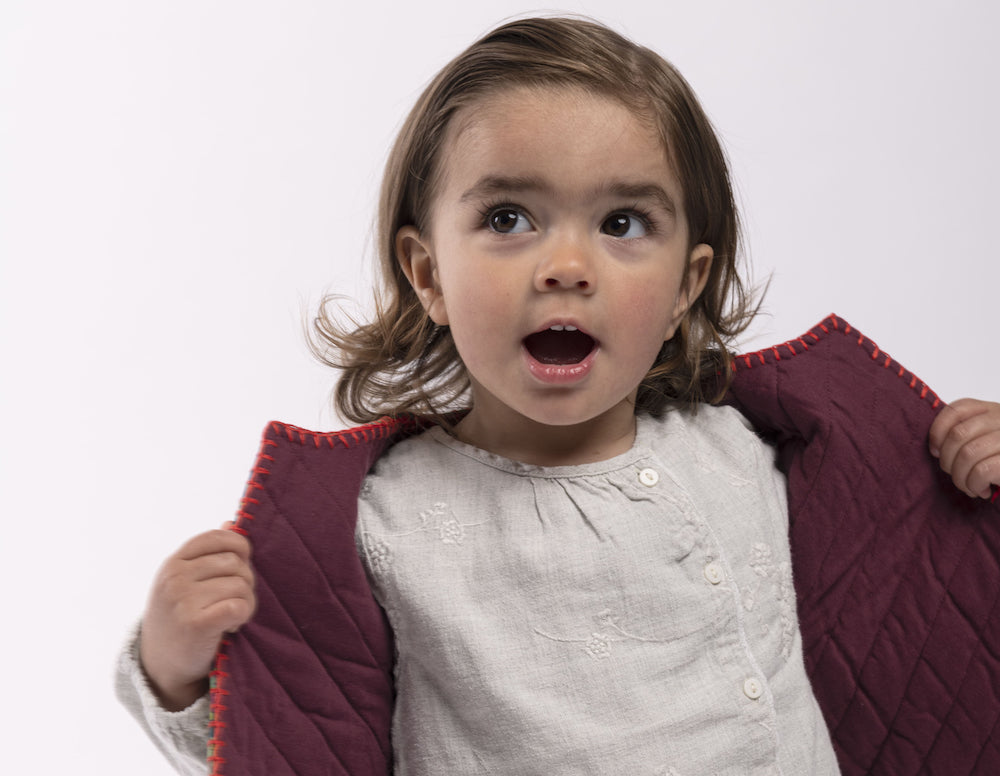
In honor of the launch of our new kids and baby capsule collection on Ulule x Who's Next: The 100% Upcycled Quilted Vests, we decided to tell you our product's story... Discover our Ulule x Who's Next x Azala pre-sale The "Les Petites Chutes" Workshop The Azala story began...
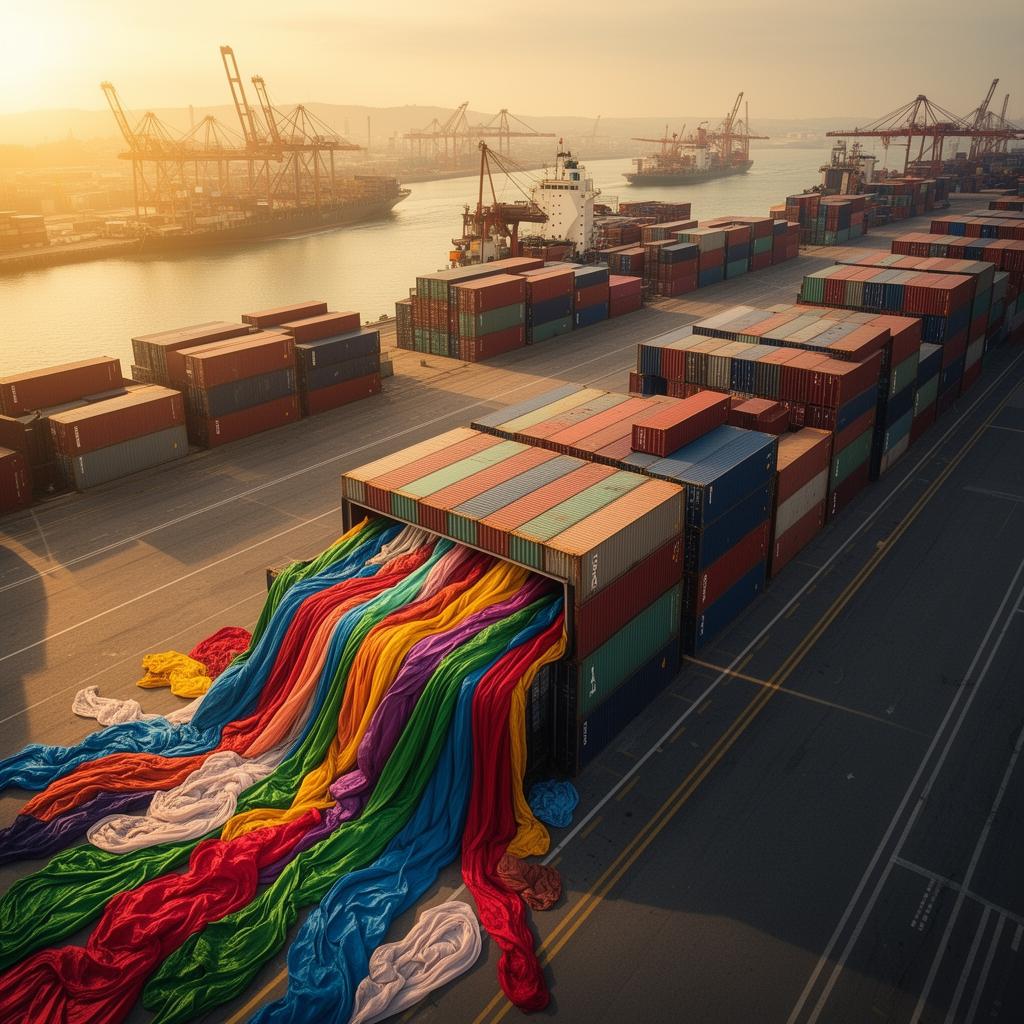
Summary: Ecological context and European sovereignty: a shared understanding of supply chain challenges Greater supply chain transparency means a rise in new skills Traceability and the new economy: an industry example
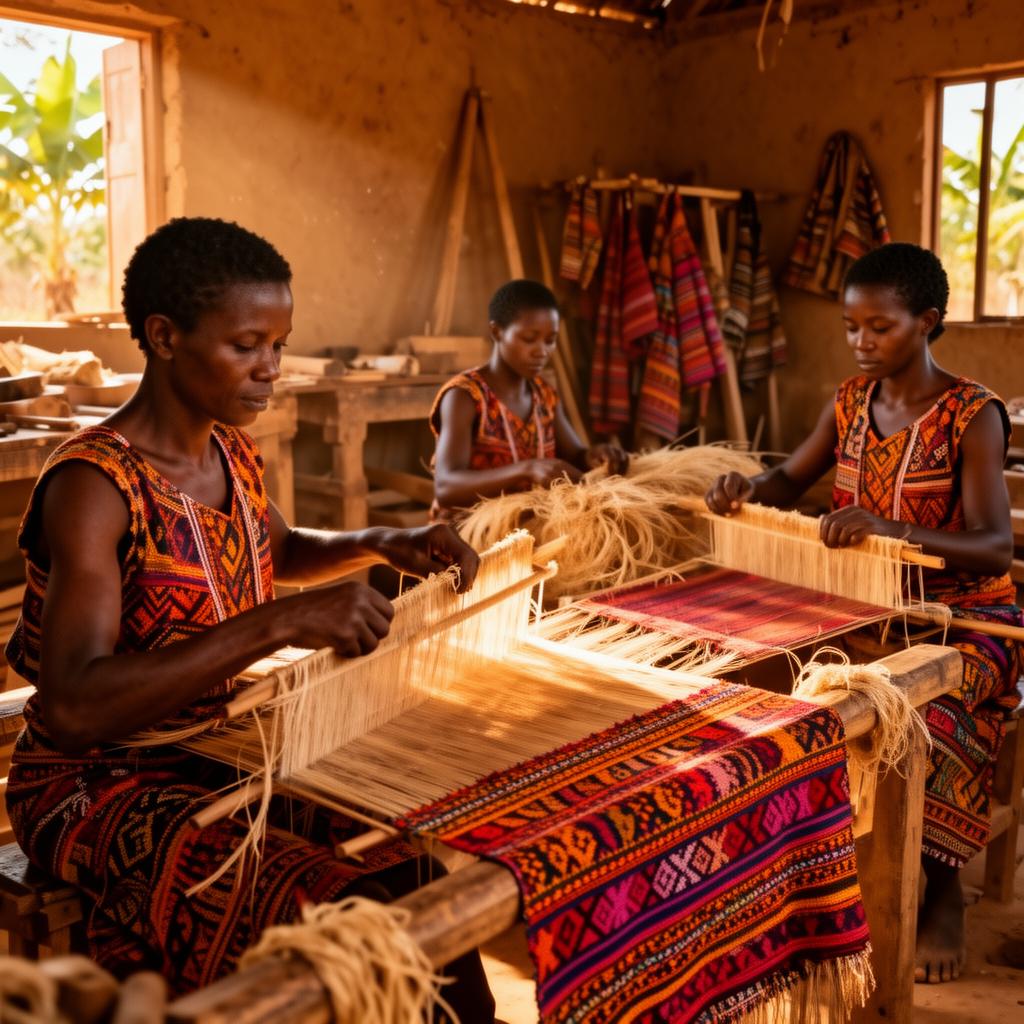
The textile industry holds a significant place in the Malagasy economy, particularly in the country's trade balance. While it hasn't developed in Madagascar to the same extent as in Asian countries, the nation's garment companies are carving out a niche.
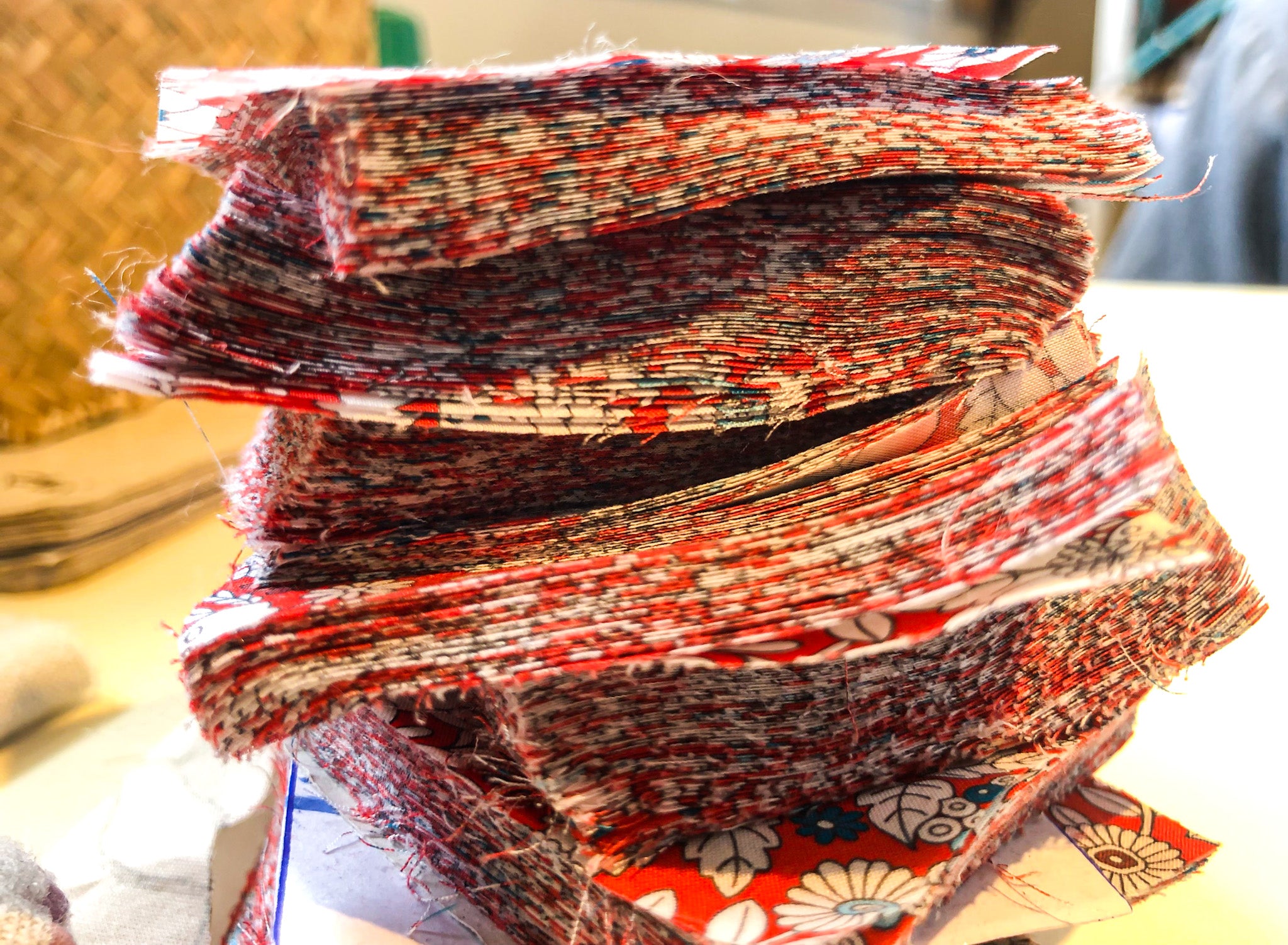
Recycling is undoubtedly the most efficient way to reduce the environmental footprint of the textile industry. However, to have a significant impact, it's important to consider the various existing levers for action. Recycling can refer to countless different processes.
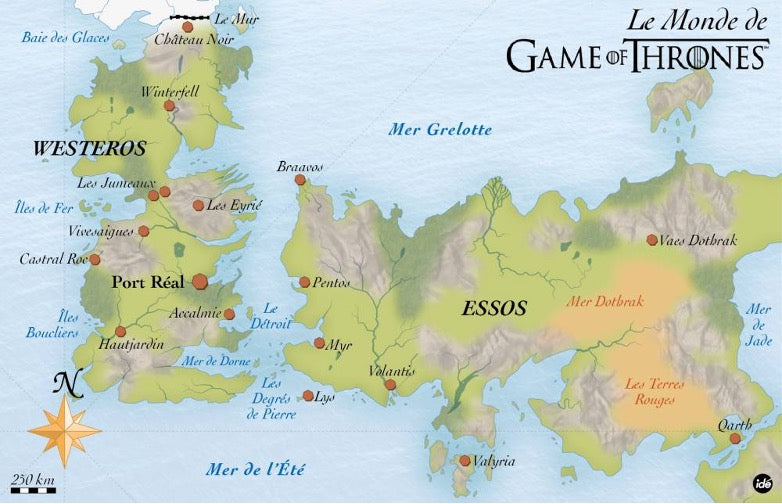
Disclaimer 1: This story is a work of fiction! Any specific analogy to real life is purely coincidental... Disclaimer 2: This article is not just for Game of Thrones fans! A garment's origin is of crucial importance when one chooses to take an interest in social questions.