
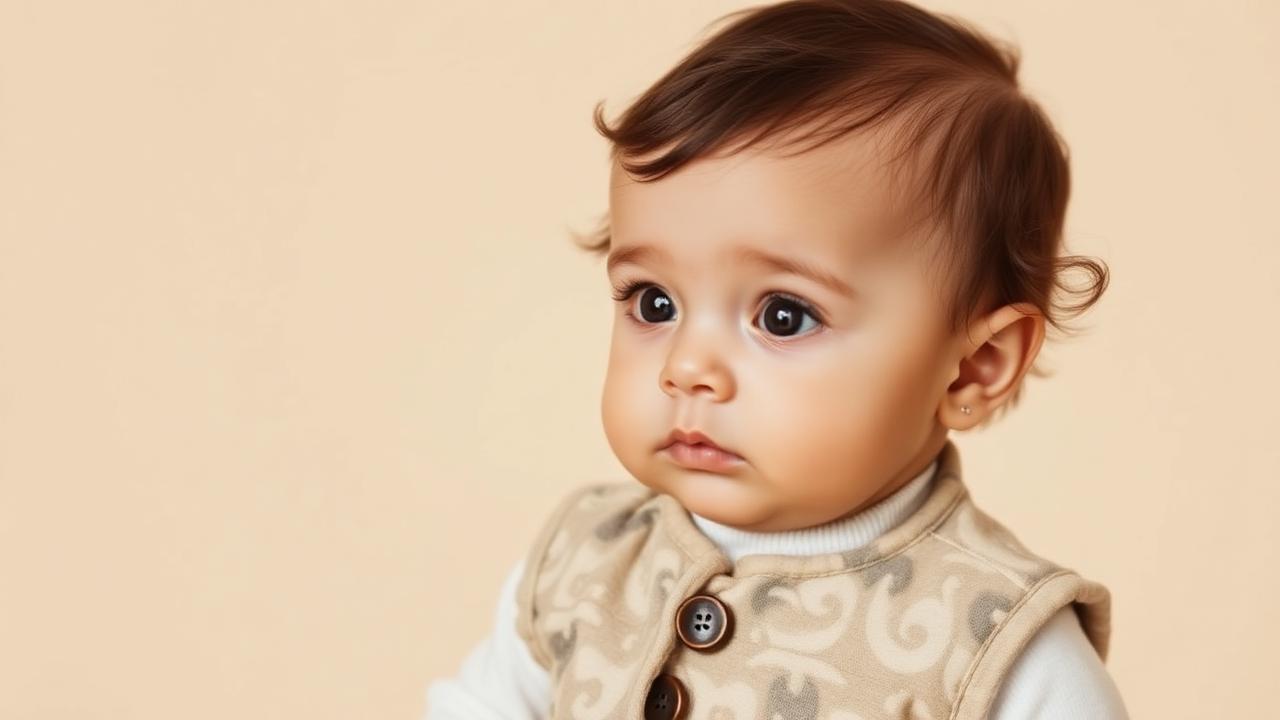
Upcycling for Babies and Kids: Why Is It So Rare?
As parents, we want what's best for our children, including their clothes. We want our kids to look good, feel comfortable, and be safe in their clothing. We also want to make environmentally friendly and sustainable choices. Upcycling is a great way to achieve these goals, but why is it so rare to find upcycled clothing for babies and children?
The Cost of Upcycling
One of the main reasons upcycled clothing for babies and children is rare is that it is very expensive. The upcycling process involves transforming used clothing or textile waste into something new and useful. This process requires a great deal of time and labor, as well as specialized equipment and materials. All of these factors contribute to the high cost of upcycling, making it difficult for a clothing brand to be profitable while producing upcycled clothing for children.
In addition, clothing for babies and children is less expensive than clothing for adults. This is because children grow quickly and their clothes go out of style more quickly than adults' clothes. As a result, parents tend to buy cheaper clothes for their children, which limits the emergence of dedicated brands.
The Need for Sustainable Clothing
Despite the challenges of upcycling clothing for babies and children, it is important to remember that this process is the most environmentally friendly way to produce clothing. The fashion industry is a major contributor to pollution and waste, and upcycling is a great way to reduce the environmental impact of clothing production.
Moreover, as parents, we want to teach our children about the importance of sustainability and waste reduction, and upcycling is a great way to lead by example and show our children that our choices can make a difference in the world.
Finding Solutions
How can we address the lack of upcycled clothing for babies and children? One solution is for clothing brands to prioritize sustainability and invest in recycling and upcycling technologies. This requires a shift in mindset, as many brands prioritize profit over sustainability. However, some brands have already taken the plunge, such as Patagonia and Eileen Fisher, which have implemented recycling programs to reduce their environmental impact.
Another solution is to promote upcycling to consumers. Parents can buy second-hand clothing for their children and encourage them to be creative and resourceful by making their own clothes or repurposing old ones. In addition, parents can support young upcycling brands and spread the word about the benefits of recycling.
In short, upcycling for babies and children is rare due to the high cost of the process and the low profitability of children's clothing. However, as consumers, we can make a difference by supporting sustainable brands and promoting recycling in our communities. By working together, we can create a more sustainable future for our children.
Azala: Making Upcycling Easy
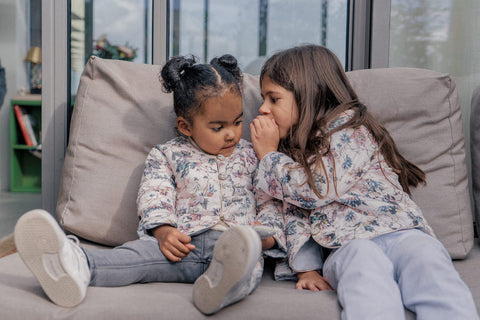
Azala is the first brand of 100% upcycled clothing for babies and children. Because upcycling is the most effective method for making the fashion industry more sustainable, we decided to create our products to serve future generations...
The Importance of Taking Action
Ultimately, the key to increasing the availability of upcycled clothing for babies and children is to create market demand. If consumers show a preference for sustainable and environmentally friendly options, more brands will be encouraged to invest in upcycling technology and offer upcycled products for children.
Another important factor is education. Many consumers may not be aware of the benefits of upcycling or the environmental impact of the fashion industry. By raising awareness and promoting the importance of sustainability, we can encourage more people to make environmentally conscious choices and support sustainable fashion.
In addition to clothing, upcycling can also be applied to toys and other children's products. By repurposing materials and creating new products from old ones, we can reduce waste and create a circular economy. This is not only good for the environment, but it can also foster creativity and teach children the importance of reuse and recycling.
In conclusion, while upcycling for babies and children is still rare, there are solutions to increase its availability. By supporting sustainable brands, promoting awareness and education, and encouraging our children's creativity and resourcefulness, we can create a more sustainable future for the next generation. Upcycling may be more expensive than traditional production methods, but the benefits to the environment and our communities are well worth the investment.
The Azala Team