
Upcycling: The Negative-Waste Clothing Revolution at Azala
In a world where responsible consumption and sustainability are taking center stage, upcycling is emerging as an innovative response to environmental challenges. At Azala, we have embraced this revolutionary practice to turn waste into treasure, thereby redefining the value and potential of neglected materials. Our unique approach to upcycling doesn't just reduce waste—it eliminates it, creating negative-waste garments that embody beauty, innovation, and environmental consciousness.
In this article, we will explore the ins and outs of upcycling, highlighting how this method is put into practice at Azala. By detailing our creative process, from recovering fabric scraps in garment factories to reinventing obsolete textiles, we will illustrate how upcycling can not only minimize fashion's environmental impact but also give rise to exceptional creations.
Join us on this journey through the world of upcycling, where every piece tells a story of transformation and respect for our planet.
Definition and Methodology of Upcycling at Azala
Definition of Upcycling
Upcycling, now a key term in the world of sustainable fashion, refers to the practice of transforming end-of-life materials or products into new items of higher value. At Azala, we adopt this approach not just as an ecological strategy, but as a creative act. For us, upcycling means giving new life to what seemed destined to be forgotten, turning materials with no monetary value into high-quality garments with tangible added value.
Azala's Upcycling Method
-
Using Textile Cutting Waste
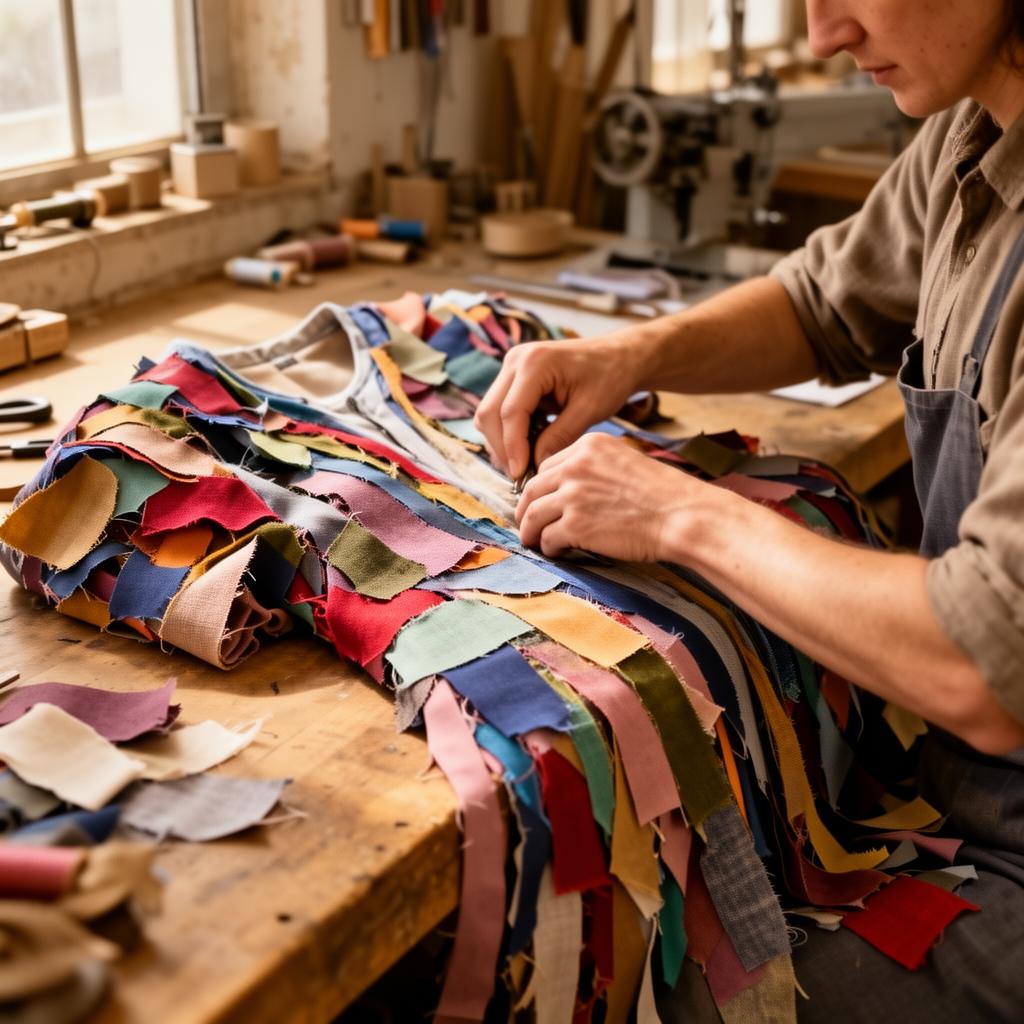
In garment factories, the process of cutting fabrics for clothing production often leaves scraps behind. These pieces, though new, are generally considered waste due to their irregular shape and unsuitable size. At Azala, we see these scraps as a precious resource. By recovering these materials from the cutting panels, we not only reduce fabric waste but also give birth to new products. Our creative process begins where others see an end, transforming these remnants into unique fashion pieces.
-
Reusing Obsolete Fabrics and Accessories
Upcycling at Azala doesn't stop at fabric scraps. We extend our approach to reusing fabrics and accessories that are considered obsolete. These materials, although decommissioned from their original context, find a second life in our collections. By reinventing their use, we create pieces that not only tell a story but also contribute to a more circular and responsible fashion industry.
By integrating these upcycling practices, Azala is actively committed to reducing the fashion industry's ecological footprint. Every piece we create is the result of deep reflection on how fashion can be beautiful, ethical, and sustainable all at once.
Environmental Impact and Benefits of Upcycling at Azala
Zero Waste, Waste Consumption
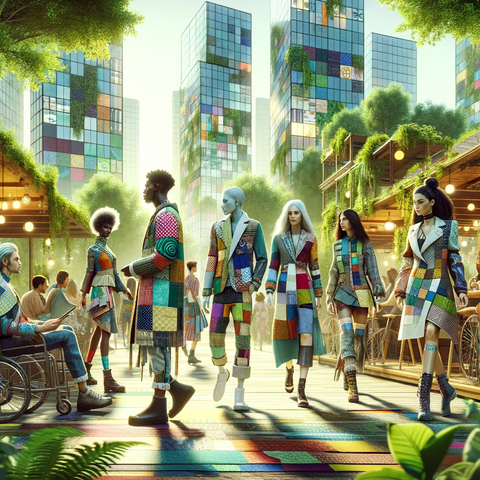
Upcycling at Azala isn't just about avoiding waste creation; it goes a step further by actively consuming existing waste. This approach allows us to contribute to a more virtuous fashion cycle, where every piece of fabric finds its place. By transforming fabric scraps and obsolete materials into quality clothing, we reduce the need to produce new textiles, thereby limiting the carbon footprint and water consumption associated with traditional textile manufacturing. This upcycling process reflects our commitment to a future where fashion does not come at the expense of our planet.
Environmental Benefits
Using waste as a raw material offers multiple environmental benefits. Firstly, it significantly reduces the volume of waste sent to landfills or incineration, thus helping to decrease pollution and conserve natural resources. Secondly, upcycling lessens the demand for virgin resources, which is crucial as the Earth's resources are increasingly strained. Finally, by choosing upcycling, Azala is part of a circular fashion approach, where products are designed to have multiple lives and to minimize environmental impact at every stage of their life cycle.
At Azala, each upcycled piece is a step toward a more sustainable future. By choosing upcycling, we are not just creating fashion; we are actively participating in creating a world where beauty and ecology coexist harmoniously.

Part 3: Artisanal Upcycling Techniques at Azala
Patchwork from Fabric Scraps
One of the signature upcycling techniques at Azala is the art of patchwork. This age-old method, revisited with a modern twist, allows us to merge various fabric scraps to create unique and colorful designs. Each patchwork piece is a mosaic of textures and colors, demonstrating our ability to transform seemingly worthless pieces into elegant and trendy garments. This technique is not just about creating new patterns; it is also a statement of our commitment to sustainable innovation.
Grinding Scraps and Creating 100% Upcycled Padding
Another facet of our upcycling process involves grinding fabric scraps to create unique padding. This process transforms small pieces of fabric into a new, soft, and bulky material, perfect for linings or fillings. This 100% upcycled padding is not only an ecological solution; it also adds a dimension of comfort and warmth to our creations, proving that it is possible to combine aesthetics, comfort, and environmental responsibility.
Over-Dyeing and Embroidery
Over-dyeing and embroidery are complementary techniques we use to revitalize recognizable fabrics, often associated with other brands. Over-dyeing allows us to alter the appearance of these fabrics, giving them a second life in a new form. Embroidery, on the other hand, adds a touch of finesse and originality, turning an ordinary fabric into a textile work of art. These techniques underscore our desire to push the boundaries of upcycling, proving that reuse can also be synonymous with luxury and creativity.
Join the Upcycling Revolution with Azala's Cactus Collection
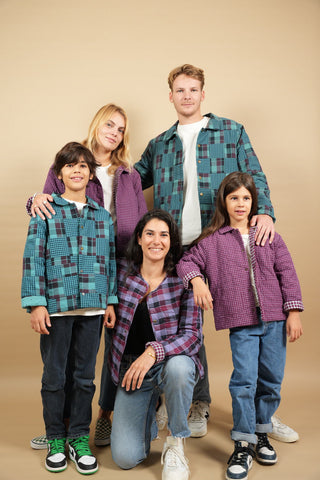
Discover the Azala Cactus family collection
Throughout this article, we have explored the fascinating world of upcycling, a practice at the heart of Azala's philosophy. Our approach, which transforms textile waste into negative-waste clothing, not only reduces the environmental impact of fashion but also paves the way for a future where creativity and sustainability meet. The artisanal upcycling techniques we employ at Azala—from innovative patchwork and unique padding to over-dyeing and embroidery—are concrete examples of our commitment to a more conscious and planet-friendly fashion.
We invite you to discover the Azala Cactus Collection, a celebration of upcycling in its purest and most elegant form. Each piece in this collection embodies our vision of sustainable fashion, combining beauty, innovation, and respect for the environment. By choosing Azala, you are not just adopting a unique style; you are actively participating in a responsible fashion movement that champions the valorization of materials and the preservation of our environment.
Join us in this upcycling revolution. Together, let's redefine fashion, one garment at a time.