
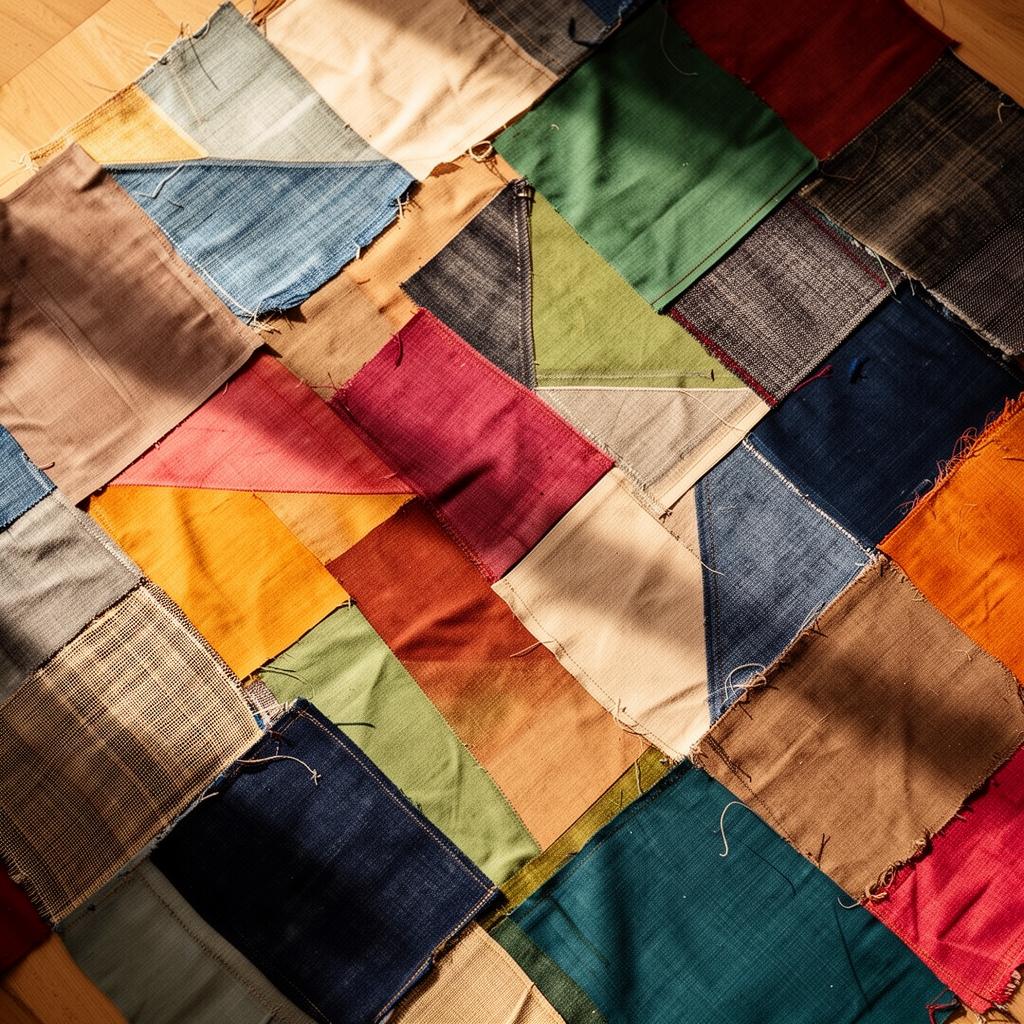
Not Everything is Upcycling
In the current context of sustainability and the circular economy, upcycling stands out as an innovative solution in the fashion industry. It is defined by the transformation of "waste," or used garments, into new fashion pieces. This concept takes two main forms in the textile field: pre-consumer upcycling, which transforms textile waste and small fabric scraps into new clothes, and post-consumer upcycling, which gives a second life to used clothing by reworking them into new pieces.
However, it should be noted that not all upcycling practices are equal in terms of transformation and environmental impact. For example, using end-of-rolls and deadstock fabric is an environmentally friendly approach that aligns with material reuse. However, it doesn't necessarily meet all the criteria for upcycling. Upcycling involves significant manual transformation, adding value to a raw material that had little or none, such as used clothing for post-consumer upcycling or textile waste for pre-consumer upcycling.
In this article, we will explore the diversity of upcycling approaches and demonstrate why the simple reuse of end-of-rolls or deadstock fabric, while environmentally beneficial, is not enough to be classified as upcycling. It is essential to understand that upcycling represents a significant transformation of a material or product, resulting in a new, valuable piece.
Understanding the True Meaning of Upcycling
Upcycling is now a key term in the textile industry, synonymous with a sustainable approach. However, its precise meaning and true scope are sometimes misunderstood. At the heart of upcycling is the concept of manual transformation, which adds value to an otherwise overlooked material or product. It's not just about simple reuse; it involves a truly creative process.
Take the example of using fabric end-of-rolls. This practice consists of using the remaining meters on a roll of fabric, usually left over from mass production. Although it is ecologically beneficial by preventing material waste, it does not fall under the strict definition of upcycling. Indeed, these fabrics, even if underutilized, are not significantly transformed or enhanced. They are simply reused as is, without undergoing a manual transformation that changes their intrinsic value.
In comparison, consider upcycling an old shirt into a kitchen apron. The shirt, which had lost its utilitarian value, is manually transformed into a completely different product with a new purpose and new value. Not only does this give the shirt a second life, but it also creates a unique and personalized object, thereby adding aesthetic and sentimental value.
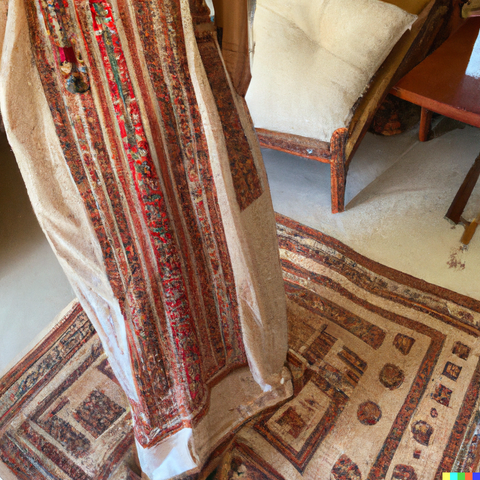
In summary, upcycling is a process that goes beyond the simple reuse of existing materials. It is a creative approach that transforms and enhances products and materials to give them a new life.
Pre-Consumer Upcycling: Turning Waste into Resources
Pre-consumer upcycling involves materials and products that, although produced during the manufacturing process, never reached the consumer. This includes items like production waste, fabric scraps, or defective items rejected during quality control.
The real challenge of pre-consumer upcycling is to turn this waste into resources. This is where upcycling unleashes its full creativity and transformative potential. For example, small fabric scraps, which are generally considered worthless waste, can be assembled to create unique and attractive garments.
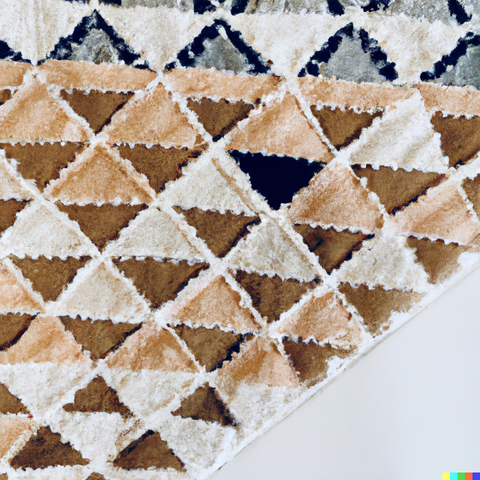
In practice, this could involve collecting these small scraps, sorting them by material, color, and pattern, and then assembling them into larger fabric panels. These new fabrics can then be used to create unique clothing, adding aesthetic and ecological value to what was previously considered waste.
However, it is important to note that using end-of-rolls, which can be several tens of meters long, does not quite fit the definition of pre-consumer upcycling. While their reuse is a good environmental practice, it does not involve the significant transformation and value creation that characterize upcycling.
Post-Consumer Upcycling: A Second Life for Used Clothing
Post-consumer upcycling deals with clothes and textiles that have already been used and are often destined to be thrown away or donated. These items, although they have lost their initial value, still hold immense potential that can be unlocked through upcycling.
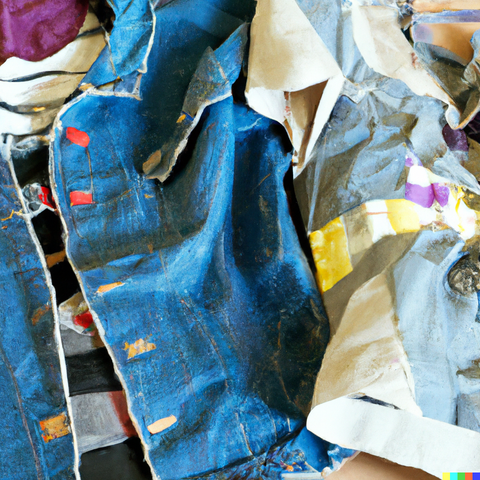
This is a meticulous process that requires a thorough assessment of each item: its quality, material, condition, and design. It can then be dismantled and transformed into a new garment or accessory. For example, a pair of old jeans can be turned into a handbag, or an old shirt can become a scarf.
This aspect of upcycling is particularly rewarding as it gives a second life to clothes that would have otherwise been discarded. It also helps reduce the demand for new clothes and textiles, thereby contributing to a lower environmental impact from the fashion industry.
It should be noted, however, that just like the use of end-of-rolls in the pre-consumer context, post-consumer upcycling requires significant manual transformation to be considered as such. Simple reuse, while having ecological benefits, is not enough to meet the criteria for upcycling.
Upcycling vs. Reuse: An Essential Distinction
Reuse is a widely used strategy to minimize waste and maximize a product's use. It involves giving an object a new purpose without major transformation. For example, using an old t-shirt as a cleaning rag or an old canvas bag as a grocery bag. While these actions are commendable and contribute to more sustainable consumption, they are not considered upcycling.
Upcycling, on the other hand, involves a major transformation that adds value to the original product. It's about enhancing a product rather than simply extending its use. Upcycling requires creativity and vision to see the potential in an object that might otherwise be considered worthless.
In the context of end-of-rolls or used clothing, reuse without major transformation, such as using the end-of-rolls as they are or simply wearing a vintage garment again, does not constitute upcycling. It is, rather, reuse.
Upcycling, in contrast, might involve transforming these end-of-rolls into a complex patchwork or reinventing a vintage garment by adding new and creative elements. It is this effort of transformation, this creation of new value from an existing material or product, that defines the strength and unique character of upcycling.
Challenges and Opportunities of Upcycling in the Fashion Industry
Upcycling in the fashion industry offers many opportunities, but it also comes with its share of challenges.
From an opportunities standpoint, upcycling has the potential to transform our relationship with clothing and foster a more sustainable fashion industry. By giving new life to used clothing and textile waste, upcycling helps reduce the amount of waste generated and decreases the demand for new raw materials. Furthermore, it can stimulate creativity and innovation by encouraging designers to see beyond a product's initial value and envision its potential for transformation.
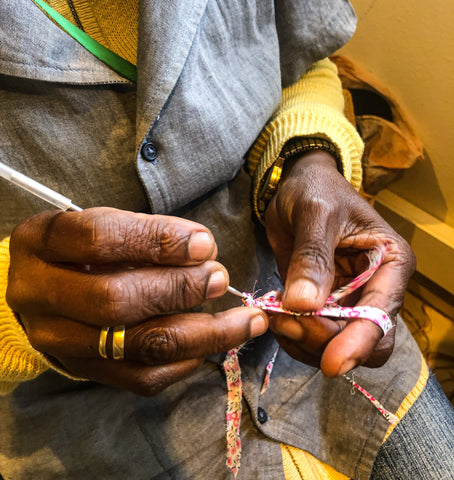
However, upcycling also presents significant challenges. One of these is the labor and time required to transform used materials into new products. It is a process that demands great skill and a lot of patience. Additionally, it can be difficult to source enough materials of the right quality to produce upcycled items on a large scale.
There is also the challenge of education and awareness. Many people do not yet understand what upcycling is or why it is important. It is therefore essential to continue educating the public about the benefits of upcycling and how it differs from reuse.
Ultimately, despite these challenges, upcycling has the potential to play a key role in the transition to a more sustainable fashion industry. By emphasizing transformation and value creation, it offers a creative and ecological alternative to traditional clothing production.
Upcycling, whether pre-consumer or post-consumer, is a laudable approach that seeks to transform the status quo of the fashion industry. It encourages us to re-evaluate how we produce, consume, and dispose of our clothing. However, it is essential to fully understand what upcycling is and not to confuse it with simple reuse.
True upcycling requires a process of manual transformation that adds value to a product or material, changing our perception of what is considered "waste." It is this value-add that distinguishes upcycling from reuse. Using end-of-rolls or wearing vintage clothing are positive and eco-friendly practices, but without significant transformation, they cannot be classified as upcycling.
With its challenges and opportunities, upcycling has the potential to reshape our relationship with fashion, encouraging creativity, innovation, and respect for the environment. And as we navigate towards a more sustainable fashion industry, it is crucial to continue to educate and raise public awareness about the importance and value of upcycling, showing that, in the case of upcycling, it is possible to create fashion that has meaning while protecting our planet.