
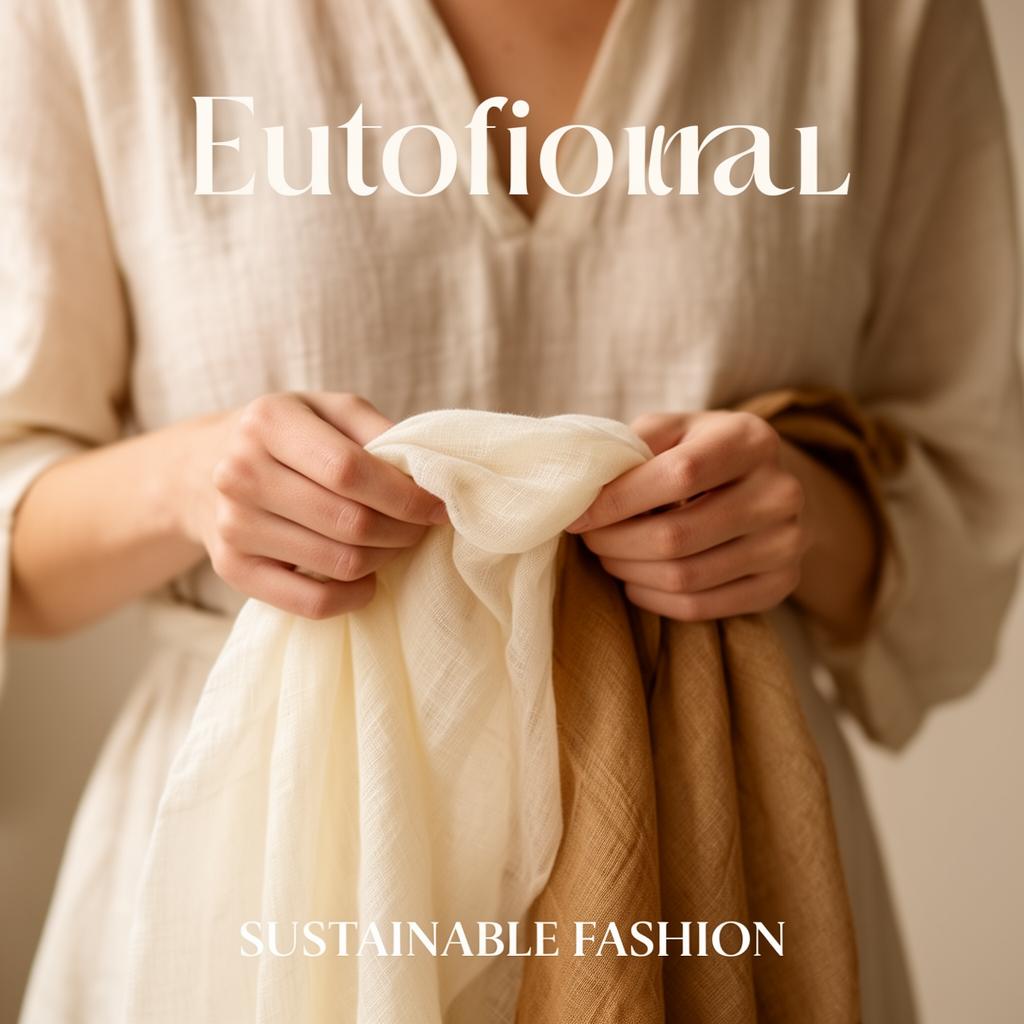
Responsible Fashion: A New Industrial Paradigm
Defining Responsible Fashion Beyond Appearances
Responsible fashion, an often-misused term, signifies a systemic break from the linear fast fashion model, which is based on mass production and consumption. It is not limited to a capsule collection or the use of a specific material, but represents an industrial paradigm that integrates social, environmental, and ethical issues from the product's design phase and throughout its entire life cycle.
This model directly opposes the planned obsolescence of trends and throwaway culture. It invites players in the textile industry to question their practices, from sourcing raw materials to managing end-of-life products, including working conditions in garment factories.
The Pillars of a Responsible Approach
The transition to a more virtuous fashion model is based on several complementary pillars that brands must consider in an interconnected way.
Slow Fashion: Pace and Durability
The concept of "slow fashion" is the first pillar. It advocates for slowing down the pace of production and consumption. For a brand, this means designing fewer collections, favoring timeless designs, and, above all, creating clothes built to last. Quality craftsmanship, seam strength, and fabric durability become primary performance criteria, on par with aesthetics.
Materials and Environmental Impact
The choice of materials is a fundamental lever for reducing the sector's ecological footprint. Several families of materials are favored:
- Organic natural fibers: Cotton, linen, or hemp grown without synthetic pesticides or chemical fertilizers preserve soil and ecosystem health.
- Recycled materials: Using recycled polyester (rPET), recycled cotton, or recycled wool helps reduce dependency on virgin resources, limits energy consumption, and gives value to textile waste.
- Innovative and alternative materials: The rise of "vegan" fashion has spurred research into alternatives to leather and wool, with materials derived from sources like pineapple (Piñatex), grapes, or cellulosic fibers produced in a closed-loop system (Tencel™ Lyocell).
Transparency and Social Equity
Responsible fashion is inseparable from an ethical value chain. This implies full transparency about the origin of products and their manufacturing conditions. Committed brands strive to ensure decent wages, safe working conditions, and respect for human rights among their suppliers and subcontractors. Certifications like Fair Trade or independent social audits are tools to structure and validate these efforts.
The Circular Economy as a Strategic Horizon
Thinking responsibly also means anticipating the end of a garment's life and moving beyond the "produce, use, discard" model. The circular economy opens up new prospects for the industry.
Upcycling as a Value Creation Lever
Upcycling involves transforming existing materials or products into new items of higher quality or value. For brands, it is a strategic approach to valorize deadstock, unsold items, or production scraps. Instead of destroying these resources, upcycling reintegrates them into a creative and productive cycle, thereby limiting waste and waste generation.
New Business Models
Responsible fashion also explores new business models that promote use over ownership. Clothing rental, secondhand sales organized by the brands themselves, or repair services are all initiatives that extend the lifespan of products and redefine the relationship between a brand and its customers.
The transition to a responsible model is essentially based on a new conception of materials. It is no longer just about producing, but about intelligently managing existing textile resources, regenerating them, and transforming them to extend their life cycle. This circular approach, where one industry's waste becomes another's resource, is at the heart of tomorrow's textile innovation.