
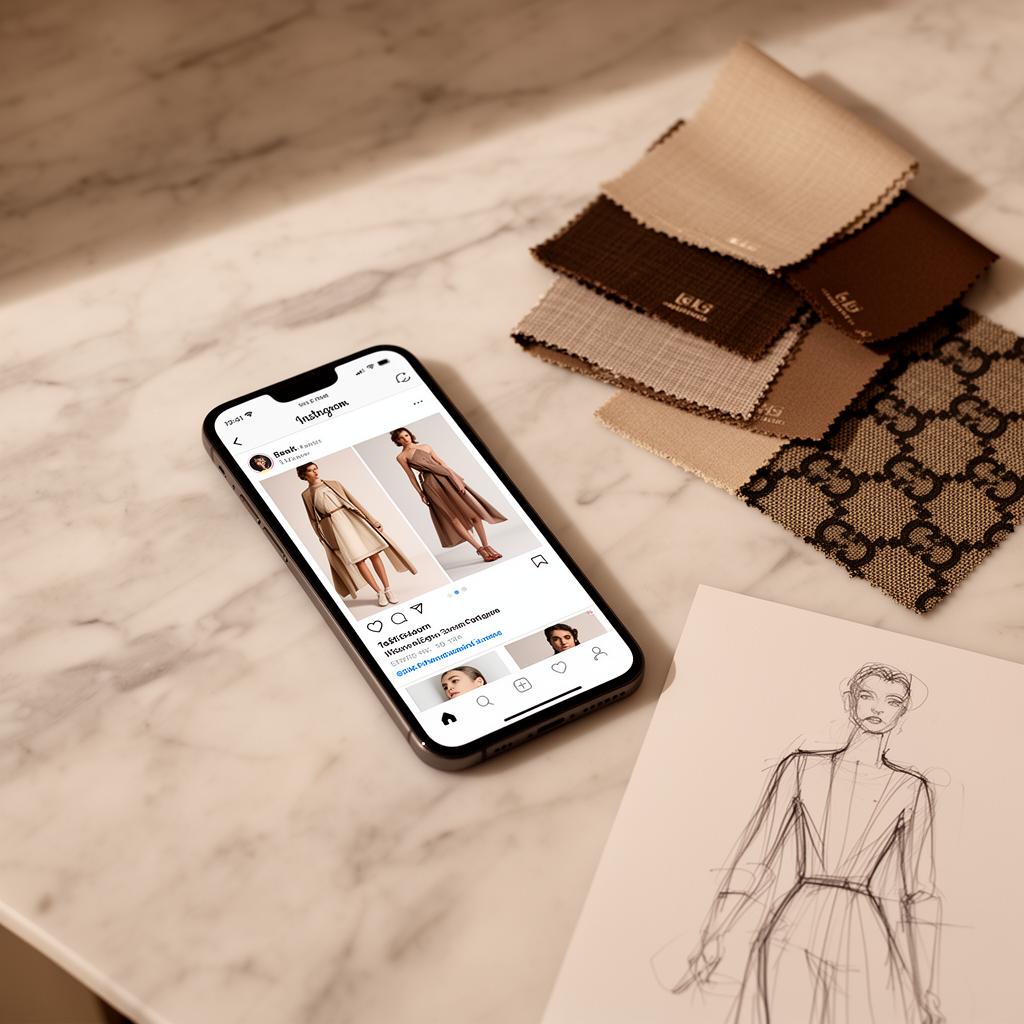
How Social Media Are Transforming Fashion
The advent of digital platforms has profoundly changed the dynamics of the fashion industry. Once the primary trendsetters, haute couture houses and specialized publications now share their influence with a multitude of new players. A complex ecosystem has formed, from creators to consumers. This article analyzes how social media, from Instagram to TikTok, are reshaping the creation, dissemination, and consumption of clothing trends.
A New Era of Influence
Before the digital age, the fashion industry operated in a small, almost inaccessible circle. Dominated by major designers and prestigious houses, it dictated trends from capitals like Paris or Milan. Collections, unveiled at exclusive runway shows, reached the public through magazines, establishing a strictly one-way communication.
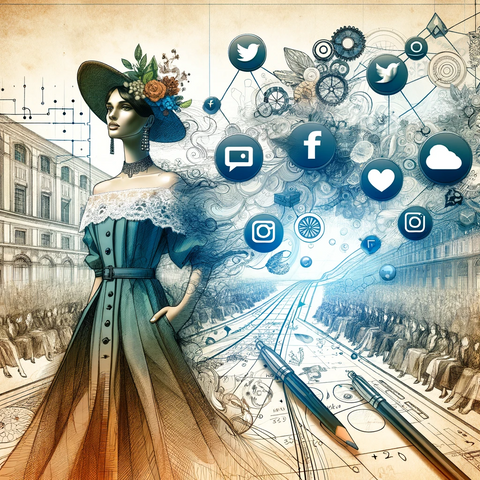
The emergence of social media in the early 2000s initiated a gradual transformation. Platforms like Facebook and Instagram offered brands new ways to interact with their audience. At the same time, fashion blogs, forerunners of today's influencers, began to present more personal and diverse perspectives, laying the foundation for a new dialogue between brands and their audiences.
The Democratization of Aesthetics
Social media have radically democratized fashion by making it more accessible. Previously seen as an elitist domain, this world has opened up thanks to platforms like Instagram, Pinterest, and TikTok. They have enabled independent creators, emerging stylists, and enthusiasts to share their visions with a global audience, without relying on the traditional infrastructure of fashion shows.
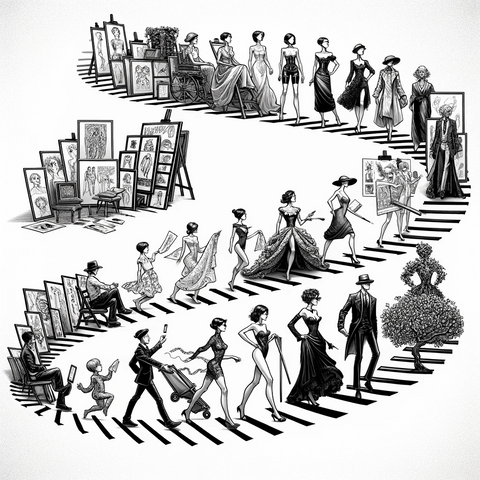
This openness has fostered a two-way interaction between brands and consumers. The latter can now instantly comment on collections and show how they integrate pieces into their personal style. A notable example is the rise of movements for sustainable fashion and upcycling, popularized by initiatives like #WhoMadeMyClothes and #SustainableFashion, which encourage more conscious consumption.
The New Trendsetters
The rise of social media has established a new figure of influence: the influencer. These personalities, followed by thousands or millions, play a major role in the dissemination and creation of trends. Their power extends from simple product recommendations to defining styles that reshape the contemporary aesthetic landscape.
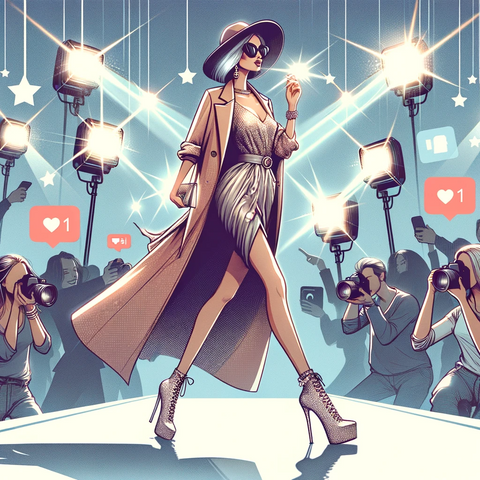
Traditional celebrities have also embraced these platforms to promote brands, launch their own clothing lines, or initiate exclusive collaborations. This dynamic, characterized by viral propagation, has significantly accelerated the trend cycle. A post on TikTok or Instagram can turn an unknown item into a coveted product in hours, forcing brands to be more responsive.
From Brand Storytelling to Purchase
Marketing and sales strategies have been completely redefined by social media. These spaces are no longer just places of inspiration but powerful direct sales channels. Brands deploy immersive campaigns, using storytelling, captivating visuals, and engaging videos to create an emotional connection with their audience.
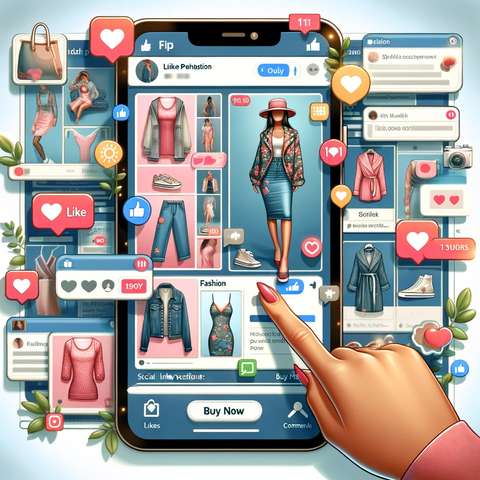
The major innovation lies in the integration of direct shopping features. "Buy" buttons in posts or stories allow for a seamless transition from product discovery to acquisition. By leveraging browsing data, brands can also personalize their offers, thereby increasing the effectiveness of their campaigns. The development of "live shopping" illustrates this convergence of content, community, and commerce.
The Rise of Responsible Fashion
Amid growing concern for ethical and environmental issues, social media have become a sounding board for sustainable fashion. Awareness campaigns, driven by hashtags like #SustainableFashion, have united engaged communities and increased pressure on the industry.
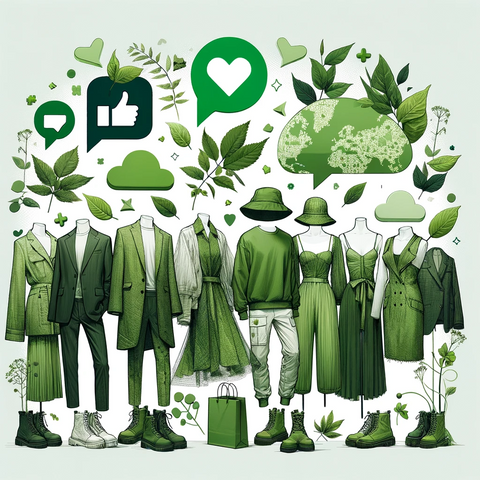
In response, many brands are communicating more transparently about their efforts, from using recycled materials to ethical manufacturing processes. Upcycling, which involves giving new value to existing clothes or materials, is a notable approach. Studios like Azala have made this practice their signature, demonstrating the creative potential of conscious consumption. These platforms offer crucial visibility to committed independent creators, who can thus reach an audience aligned with their values.
Toward a Hybrid and Conscious Fashion
The future of fashion in the digital age promises to be just as dynamic. Personalization is expected to increase thanks to technologies like augmented reality, allowing consumers to virtually try on products. At the same time, the demand for sustainability and transparency will become a standard, pushing brands to integrate these values into the core of their model.
The line between the physical and digital worlds will continue to blur, giving rise to hybrid experiences that blend in-person events with global virtual presentations. The fashion industry has thus begun a profound transformation, where dialogue and responsibility are becoming essential pillars. For players committed to ethical and creative textile production, this new era represents an opportunity to redefine the future of clothing.
Further reading: What is fashion? Definition, industry and the life cycle of a garment.