
Upcycling: Understanding and Practicing Material Valorization
Upcycling: Understanding and Practicing Material Valorization
Upcycling is a creative process that transforms materials considered waste into new objects of superior quality or value. Far from being a new phenomenon, this process is gaining relevance today in the face of mass consumption challenges. Upcycling offers a tangible approach to reducing our ecological footprint, achieving savings, and designing unique, story-rich pieces.
What is Upcycling?
Upcycling, or upward valorization, is fundamentally different from recycling. While recycling involves breaking down a material to its raw state to create a new material—often of equal or lesser quality—upcycling preserves the integrity of the original item to give it a new function and greater value. The material is not degraded, but elevated.
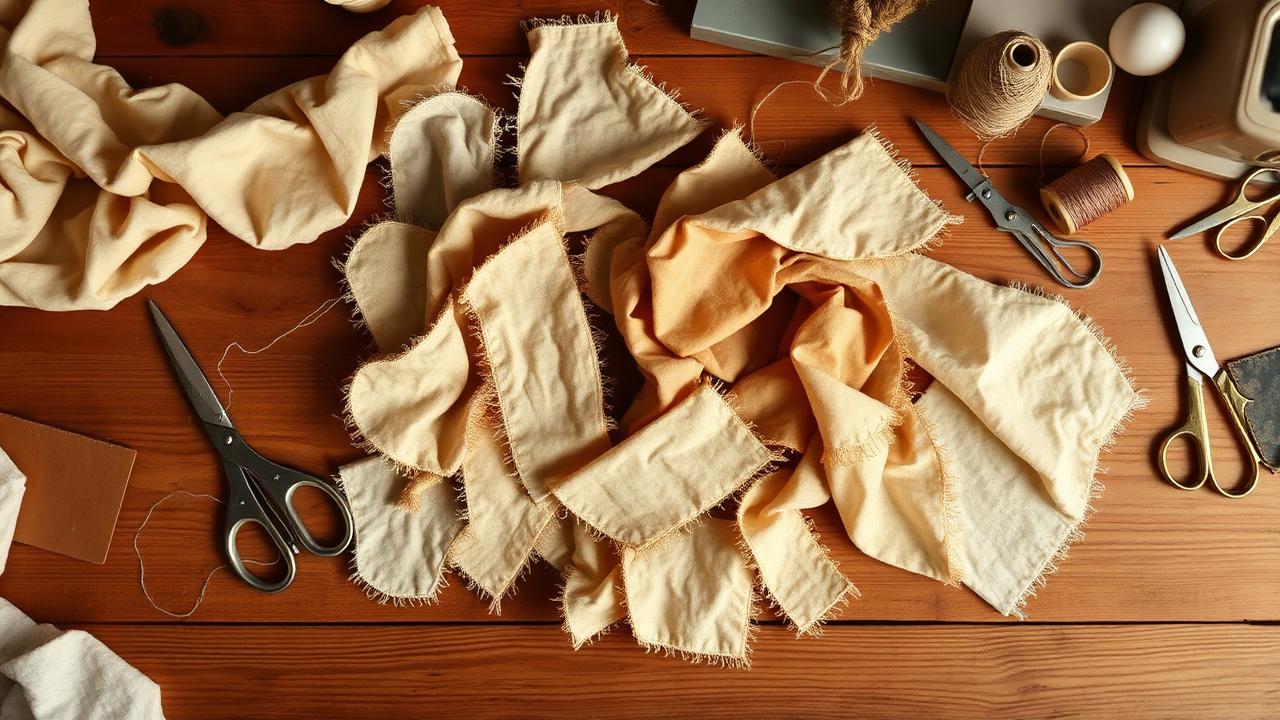
This principle applies to a wide range of materials, such as wood, metal, or, in our preferred field, textiles. Fabric scraps, end-of-roll fabrics, and old garments become the resource for new creations. From an environmental standpoint, the advantage is twofold: this practice reduces the volume of waste sent to landfills and decreases the demand for virgin resources needed for new production.
How to Get Started with Upcycling
The first step is to identify materials and objects that can be upcycled. This could be a damaged garment, an old piece of furniture, or fabric scraps from a previous production run. Once this source is identified, the creative design phase can begin: what new life can be given to this existing item?
For example, fabric scraps can be assembled to create a leather good, a composite garment, or accessories. An old piece of furniture can be restored, repainted, or modified to suit a new purpose. The possibilities are as vast as creativity allows.
Carrying out the project then requires familiarizing oneself with the appropriate techniques. Whether it's sewing, assembly, or finishing, know-how is necessary to ensure the quality and durability of the final object. Many technical resources and tutorials are available to support this learning process.
The Benefits of Upcycling
The advantages of this practice are numerous and revolve around three main pillars:
- Economic: Upcycling helps reduce raw material supply costs, as the resource is often available for free or at a low cost.
- Ecological: It directly contributes to waste reduction and the preservation of natural resources by extending the lifespan of materials.
- Creative: It offers the opportunity to create unique objects with a soul and a story, distinguishing them from standardized mass production.
Downcycling
The opposite of upcycling is downcycling. This process involves transforming an object into a new product of lower value. For example, a used garment can be broken down into textile fibers to serve as insulation or padding material. Although this approach also contributes to waste management, it results in a loss of material quality.
Conclusion
Upcycling is much more than a simple trend. It embodies a philosophy of responsible production and consumption, where every material is considered a precious resource. By combining technical know-how with a creative vision, it paves the way for a more circular economy and more conscious design.
Further reading: What is fashion? Definition, industry and the life cycle of a garment.