
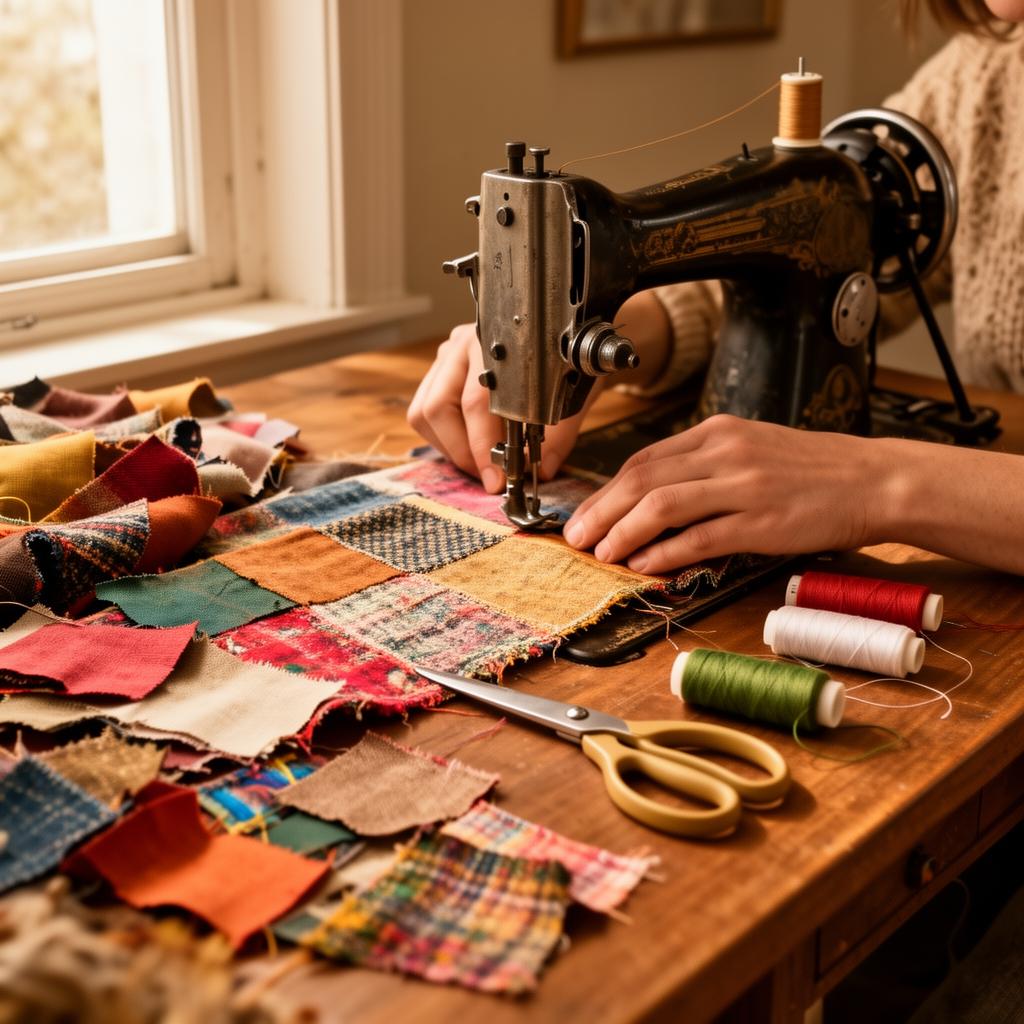
Homemade Upcycling: Discover All Forms of Upcycling
Upcycling has become a popular trend in recent years, as more and more people are looking to reduce waste and preserve the environment. It's about transforming old or discarded items into something new and valuable. Upcycling is not only good for the environment by reducing waste, but it also allows you to unleash your creativity and save money.
The concept of upcycling is different from recycling. While recycling involves breaking down materials to create new products, upcycling is about repurposing existing items to create something new and useful. For example, turning an old suitcase into a stylish coffee table or an old t-shirt into a reusable shopping bag.
Upcycling is not just a sustainable practice; it also offers many benefits. First, it helps reduce waste and prevents items from ending up in landfills or incinerators. According to the Environmental Protection Agency, the United States produces more than 262 million tons of municipal solid waste each year, only 35% of which is recycled or composted. By upcycling, we can reduce the amount of waste that ends up in landfills and minimize the environmental impact of our consumption habits.
Second, upcycling is an affordable and creative way to decorate your home or wardrobe. You don't have to buy expensive new items when you can upcycle what you already have. You can turn old furniture, clothes, or accessories into unique, personalized pieces that reflect your style and personality.
In addition, upcycling can also create economic opportunities and support local businesses. Upcycling often involves DIY projects and can be a great way to start a small business or sell your creations on online platforms. By doing so, you can contribute to the local economy, create jobs, and promote sustainable consumption practices.
If you're interested in upcycling, there are many resources and ideas available online. From DIY blogs and tutorials to upcycling communities and online marketplaces, you can find the inspiration and support you need to start your upcycling journey.
So, upcycling is a sustainable and creative way to reduce waste, save money, and express your creativity. By upcycling, we can contribute to a more sustainable future, support local businesses, and create unique, personalized items that reflect our values and personality. So, let's start upcycling and make a positive impact on the environment and our lives!
The different forms of upcycling
Upcycling is a practice of repurposing or transforming existing items into something new and valuable. It has many benefits, including reducing waste, saving money, and promoting creativity. Upcycling can take many forms, and in this article, we'll explore some of the most popular ones.
Clothing Upcycling
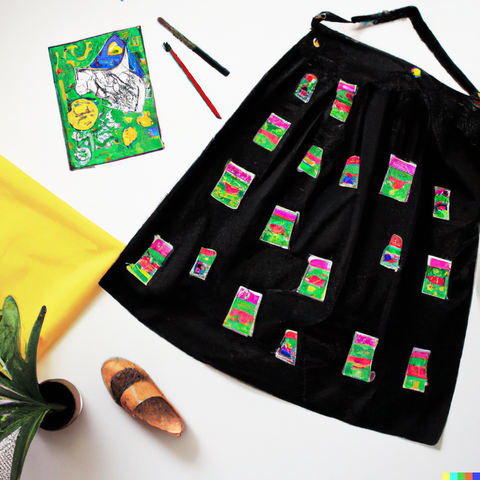
Clothing upcycling involves transforming old or worn-out clothes into new, stylish pieces. You can use various techniques such as dyeing, appliqué, embroidery, or fabric painting to give your clothes a new and unique look. For example, you can turn an old t-shirt into a crop top or a jean jacket into a bag.
Furniture Upcycling
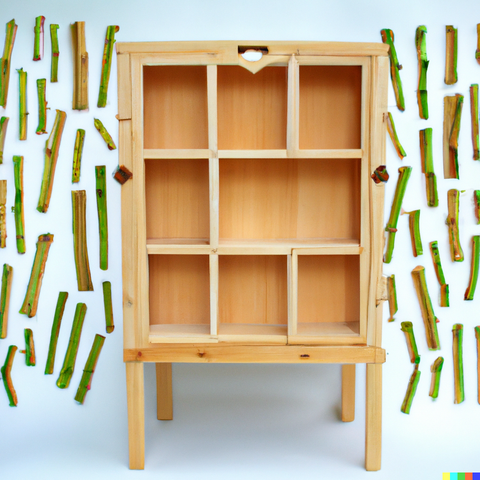
Furniture upcycling is about transforming old or outdated furniture into something new and functional. You can use different techniques such as sanding, painting, or upholstering to give your furniture a new lease of life. For example, you can turn an old ladder into a bookshelf or a wooden pallet into a coffee table.
Accessory Upcycling
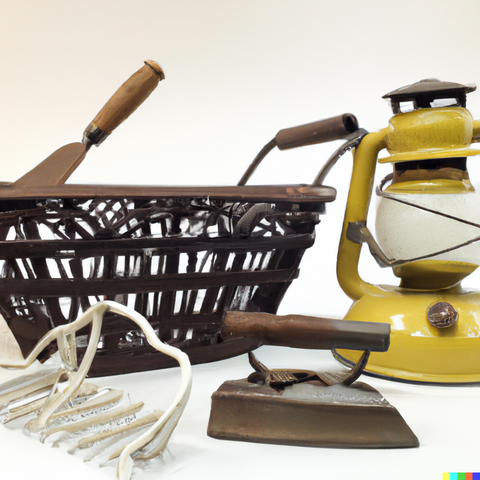
Accessory upcycling involves transforming old or unused accessories, such as jewelry, bags, or shoes, into new, fashionable pieces. You can use different techniques such as beading, leatherworking, or metalworking to give your accessories a unique and personalized touch. For example, you can turn an old leather belt into a bracelet or a broken necklace into a pair of earrings.
Home Decor Upcycling
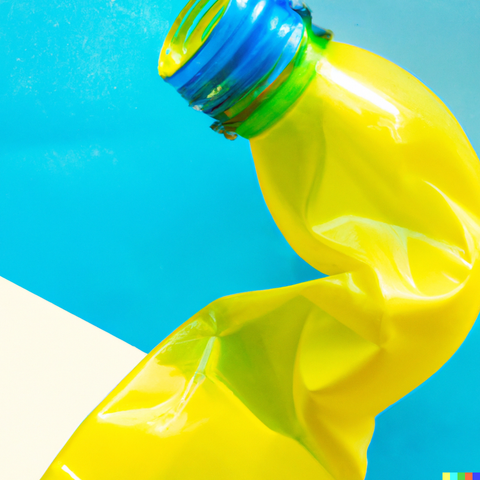
Home decor upcycling involves transforming old or unused items such as bottles, cans, or jars into new, stylish decorations for your home. You can use different techniques such as decoupage, painting, or etching to give your decor a new and personalized look. For example, you can turn an old wine bottle into a vase or a jar into a candle holder.
Electronic Upcycling
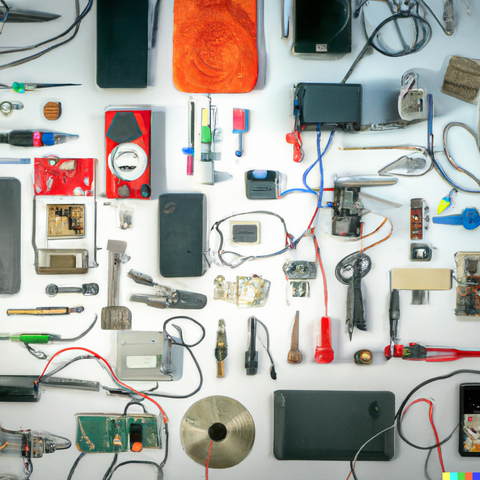
Electronic upcycling involves transforming old or unused electronics, such as computers, TVs, or phones, into new, functional items. You can use various techniques such as repurposing, disassembling, or refurbishing to give your electronics a new life. For example, you can turn an old computer monitor into a fish tank or a broken phone into a wireless charger.
Finally, upcycling is a sustainable and creative practice that can take many forms. From clothing and furniture to accessories, home decor, and electronics, there are countless ways to turn old or discarded items into something new and valuable. By upcycling, we can contribute to a more sustainable future, save money, and unleash our creativity. So, let's start upcycling and make a positive impact on the environment and our lives!
A focus on clothing upcycling
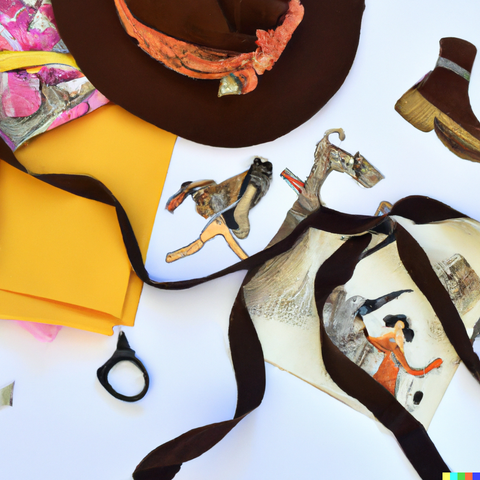
Clothing upcycling is one of the most popular forms of upcycling. It involves transforming old or worn-out clothes into new and stylish pieces. Clothing upcycling has many benefits, including reducing waste, saving money, and promoting creativity. In this article, we'll explore some of the most popular techniques and ideas in clothing upcycling.
Dyeing
Dyeing is a popular clothing upcycling technique. This involves using fabric dye to give old or faded clothing a vibrant new color. You can use different types of dyes, such as natural dyes, tie-dyes, or fabric sprays, to give your garments a new and unique look. For example, you can turn an old white t-shirt into a colorful tie-dye top or dye a pair of faded jeans a trendy pastel color.
Appliqué
Appliqué is a technique that involves adding a pattern or decoration to a garment by sewing fabric or other materials onto it. You can use different types of fabrics such as lace, embroidery, or sequins to add a personal touch to your clothes. For example, you could add a lace collar to a plain blouse or sew a sequin patch onto a denim jacket.
Embroidery
Embroidery is a technique that involves adding decorative stitches to a garment. You can use different types of embroidery such as cross-stitch, chain stitch, or satin stitch to create a unique and personalized design. For example, you can embroider a floral pattern on a plain t-shirt or add a monogram to a denim jacket.
Fabric Painting
Fabric painting is a technique that involves painting designs or patterns onto a garment using fabric paint. You can use different types of fabric paint, such as acrylic, fabric markers, or fabric paint pens, to create a custom and unique design. For example, you can paint a geometric pattern on a plain dress or add a quote to a t-shirt.
Cutting and Sewing
Cutting and sewing is a technique that involves cutting up old or unused clothes and sewing them together to create a new garment. You can use different types of clothing such as t-shirts, jeans, or dresses to create a unique and trendy design. For example, you can cut up old t-shirts and sew them together to create a patchwork skirt or turn a pair of jeans into a denim jacket.
Clothing upcycling is a sustainable and creative practice that offers many benefits. From dyeing and appliqué to embroidery, fabric painting, and cutting and sewing, there are countless ways to transform old or worn-out clothes into new, stylish pieces. By upcycling clothes, we can contribute to a more sustainable future, save money, and unleash our creativity. So, let's start upcycling and make a positive impact on the environment and our wardrobes!
In conclusion, upcycling is a practice that not only benefits the environment but also allows individuals to unleash their creativity and save money. By transforming old or unused items into new and functional pieces, we can reduce waste and promote sustainability. Clothing upcycling is one of the most popular forms of upcycling, offering many techniques such as dyeing, appliqué, embroidery, fabric painting, and cutting and sewing. By incorporating these techniques, we can turn old or worn-out clothes into unique and trendy pieces, making a positive impact on our wardrobe and the environment. So let's embrace the concept of upcycling and start exploring the limitless possibilities of transforming old items into new treasures.
The Azala team