
Fast Fashion vs. Responsible Fashion: Where Are We Now?
Understanding fast fashion...
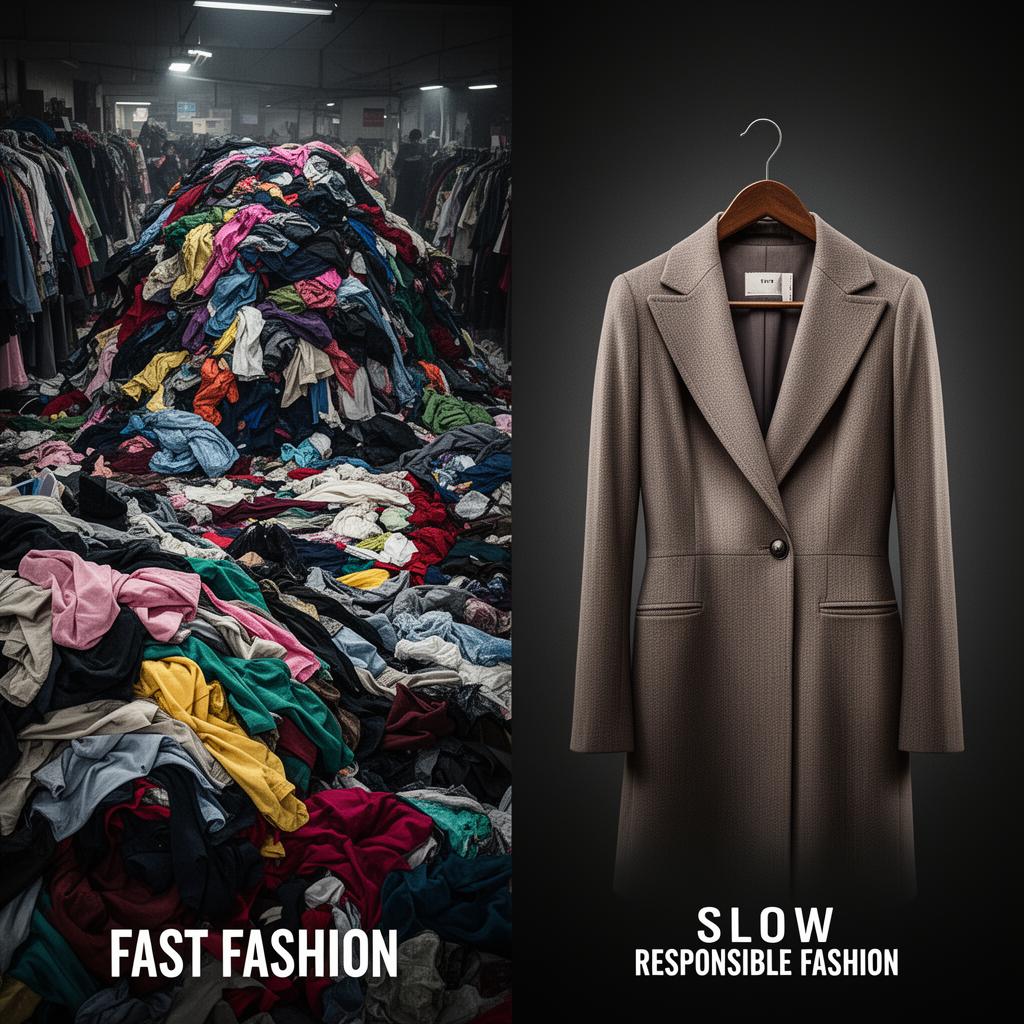
Fast fashion is a term used to describe the rapid production and consumption of clothing designed to be inexpensive and trendy. This approach to fashion has grown rapidly in recent years, with the industry valued at over $35 billion in the United States alone in 2021. This business model emphasizes speed and profitability over sustainability and ethical production practices.
The fast-fashion industry is characterized by a rapid turnover of styles, with new collections launched every few weeks to encourage consumers to keep buying. This approach has helped to boost consumer demand and increase profits for fashion retailers. However, it has also contributed to significant environmental and social problems.
One of the main environmental problems with fast fashion is the large amount of waste generated by the industry. In the United States, it is estimated that about 10 billion tons of textile waste are generated each year, much of it from fast-fashion retailers. This waste has a significant environmental impact, as textiles take years to decompose in landfills and can release harmful chemicals as they break down.
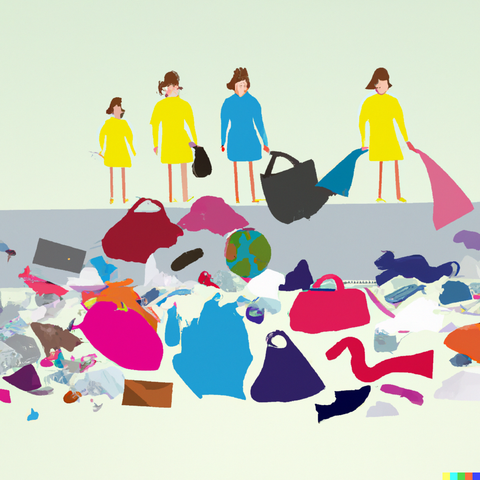
In addition to waste, fast fashion also has a significant environmental impact due to its production practices. Textile production requires large amounts of water, energy and chemicals, which can have a negative impact on local ecosystems and contribute to climate change. Many fast-fashion brands also rely on exploitative labor practices, such as low wages and poor working conditions, to keep costs down.
The human cost of fast fashion is also significant. Workers in the fashion industry are often poorly paid and subjected to poor working conditions, including long hours and exposure to hazardous chemicals. In some cases, workers may also be subjected to physical or verbal abuse. These practices are particularly prevalent in countries with weak labor protections, where workers have little recourse to address these issues.
Despite these significant environmental and social costs, the fast-fashion industry continues to grow. In 2021, the industry was valued at more than $35 billion in the U.S. alone, and global revenues are expected to continue to rise in the coming years. This growth is driven by the industry's ability to produce clothing quickly and inexpensively, and by consumer demand for trendy, inexpensive clothing.
Slow Fashion, Upcycling, Secondhand: The Alternatives to Fast Fashion...
In recent years, the fast-fashion industry has been criticized for its environmental and social impact. Consumers are increasingly aware of the problems associated with fast fashion and are looking for other ways to express their style without contributing to these problems. Fortunately, there are many alternatives to fast fashion, including responsible fabrics, slow fashion, secondhand clothing and upcycling.
Responsible fabrics are an excellent alternative to the cheap, synthetic materials used in fast fashion. These fabrics are made from sustainable natural fibers that are grown and processed in an environmentally friendly manner. Organic cotton, linen, hemp and bamboo are examples of sustainable fabrics that can be used to create clothing that is both stylish and environmentally friendly.
Slow fashion is a trend that favors quality over quantity. Instead of buying new clothes every season, slow fashion encourages consumers to invest in timeless pieces that can be worn for years. This approach to fashion is not only more sustainable, but it also promotes a more thoughtful and intentional approach to dressing.
Secondhand clothing is another great alternative to fast fashion. Buying used clothing is an easy way to reduce waste and support sustainable fashion. There are many online platforms where you can find used clothing, including sites like Poshmark, ThredUp and Depop. Shopping at thrift stores or consignment shops is also a great way to find unique pieces at a fraction of the cost of new clothes.

Finally, upcycling is an innovative way to turn old clothes into something new and stylish. Upcycling involves taking existing clothes or fabrics and turning them into something new and unique. This approach to fashion is not only sustainable, but it also encourages creativity and individuality. Many upcycling brands offer recycled commercial clothing, allowing consumers to support sustainable fashion while still buying new clothes.
An Alternative Fashion Still Too Little Adopted!
Responsible fashion, also known as sustainable fashion, has been gaining popularity in recent years as consumers have become more aware of the environmental and social impact of fast fashion. However, despite its growth, responsible fashion is still a small part of the overall fashion industry.
According to a 2021 report from consulting firm McKinsey & Company, responsible fashion is expected to account for 25% of the fashion industry by 2030, up from just 5% in 2021. This growth is being driven by consumer demand for sustainable and ethical fashion, as well as government regulations and industry initiatives to reduce the environmental and social impact of the fashion industry.
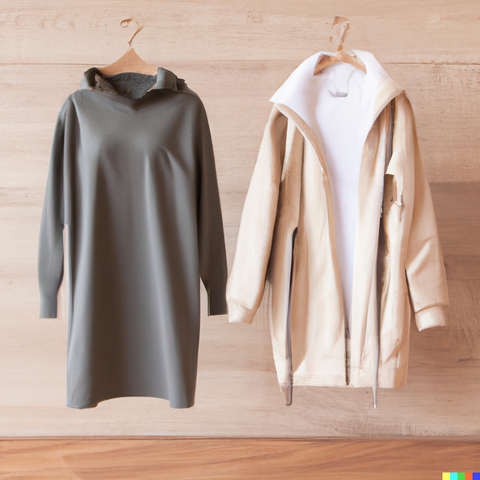
One of the main benefits of responsible fashion is its reduced impact on the environment. The fashion industry is one of the world's largest polluters, with an estimated 92 million tons of textile waste generated each year. Responsible fashion seeks to reduce this waste by using sustainable materials, reducing water and energy consumption, and promoting circular fashion practices such as recycling and upcycling.
In addition to its environmental benefits, responsible fashion also promotes fair labor practices and supports ethical manufacturing. This includes paying workers fair wages, providing safe working conditions, and ensuring that they have the right to unionize and bargain collectively.
Despite these benefits, responsible fashion is still a small part of the overall fashion industry. According to the McKinsey report, responsible fashion is expected to account for only 5% of the total fashion industry by 2021, up from 1% in 2021. This means that while the growth of responsible fashion is impressive, it still has a long way to go to become a significant force in the fashion industry.
One reason for this is that responsible fashion can be more expensive than fast fashion. Sustainable materials and ethical manufacturing practices can increase the cost of producing clothing, making it more difficult for responsible fashion brands to compete with fast-fashion retailers on price.
Another challenge facing responsible fashion is consumer behavior. While there is a growing interest in sustainable fashion, many consumers still prioritize affordability and trendiness over sustainability and ethics. As a result, responsible fashion brands must work harder to convince consumers of the value of their products and to make responsible fashion more accessible and affordable.
Fast fashion is a global phenomenon that has gained popularity in recent years due to its affordability and trendiness. However, it is also a problematic industry with serious environmental and social consequences. From textile waste to exploitative labor practices, fast fashion is a major contributor to some of the world's most pressing problems.
Fortunately, there are alternatives to fast fashion that offer a more sustainable and ethical approach to fashion. These alternatives include responsible fabrics, slow fashion, secondhand clothing and upcycling. These approaches prioritize quality over quantity, encourage circular fashion practices and support ethical manufacturing practices.
While the growth of these alternatives is impressive, they still represent a small portion of the overall fashion industry. Consumer behavior and affordability remain major challenges for sustainable fashion, and it will take a collective effort from consumers, brands and policymakers to create a more sustainable and just fashion industry.
In conclusion, fast fashion is a complex and problematic industry that requires urgent action. We all need to do our part to reduce our consumption of fast fashion and support sustainable and ethical alternatives. By making more responsible choices about the clothes we wear, we can help create a more sustainable and just fashion industry for the future.