
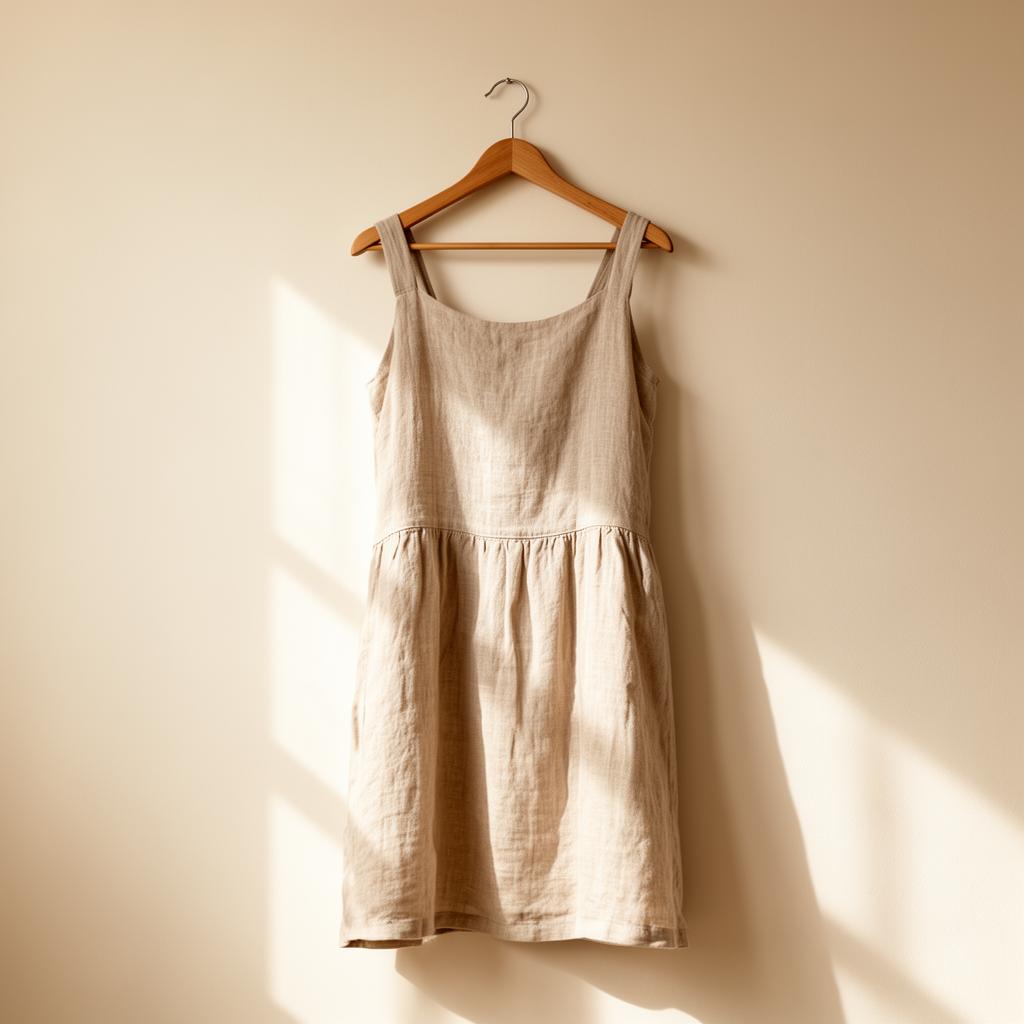
Slow Fashion: What Is It?
Slow fashion is a movement that has gained momentum in recent years, advocating for a more sustainable and conscious approach to clothing consumption. It is the antithesis of fast fashion, a term used to describe the rapid and incessant production of low-cost clothing, often at the expense of the environment, human rights, and quality. Slow fashion aims to promote a more ethical and responsible fashion industry that prioritizes quality over quantity, values transparency, and respects the people and resources involved in the production process.
The principles of slow fashion are rooted in the concept of sustainable development, which recognizes that economic growth should not come at the expense of the environment, social justice, or cultural heritage. Slow fashion seeks to apply these principles to the fashion industry, which is notorious for its environmental and social impact. For example, the production of cotton, the most widely used textile fiber, is responsible for a significant amount of water pollution, soil degradation, and biodiversity loss. In addition, many garment factories in developing countries operate under exploitative conditions, where workers are poorly paid, work long hours, and are exposed to health and safety risks.
To counter these negative effects, slow fashion proposes an alternative model of production and consumption that emphasizes the following principles:
Quality over quantity: Slow fashion prioritizes durable, timeless, and well-made clothing. Instead of buying multiple cheap and trendy items that will quickly become outdated or worn out, slow fashion encourages consumers to invest in a small number of high-quality pieces that can be worn for years, or even decades. This approach not only reduces waste and saves money in the long run, but it also promotes a more personal and meaningful relationship with clothing.
Transparency and traceability: Slow fashion values transparency and traceability in the production process, from the sourcing of raw materials to the final product. By knowing where and how their clothes are made, consumers can make informed choices and hold brands accountable for their environmental and social impact. Slow fashion also supports local and independent producers, who often have a closer relationship with their customers and a more sustainable approach to production.
The circular economy: Slow fashion promotes a circular economy, where waste is minimized, and resources are reused and recycled. Instead of disposing of used or unwanted clothes, slow fashion encourages consumers to repair, repurpose, or donate them. Brands can also adopt circular business models, such as rental or pre-owned clothing platforms, that extend the life cycle of their products and reduce their environmental footprint.
Slow fashion is not just a trend or a marketing gimmick, but a fundamental shift in our way of thinking about fashion and consumption. It challenges the dominant paradigm of fast fashion, which treats clothing as a disposable commodity and disregards the social and environmental costs of production. Slow fashion proposes a more ethical and sustainable vision of fashion, one that respects the planet, the people, and the culture behind our clothes. It invites us to slow down, to reflect, and to appreciate the beauty and value of clothing beyond its price tag and appearance.
Slow Fashion vs. Fast Fashion: The Time for Timeless Pieces
Slow fashion and fast fashion are two opposing approaches to clothing production and consumption. Fast fashion is characterized by the mass production of cheap, trendy clothing designed to be worn for a short period and then thrown away. It is a business model that emphasizes speed, efficiency, and low-cost production, often at the expense of the environment, social justice, and quality.
In contrast, slow fashion is a more sustainable and ethical approach to clothing production and consumption. It prioritizes quality over quantity and encourages consumers to invest in a smaller number of high-quality pieces that are made to last. Slow fashion also values transparency and traceability in the production process, from the sourcing of raw materials to the final product. This approach allows consumers to make informed choices and hold brands accountable for their environmental and social impact.
One of the most significant differences between slow and fast fashion is their impact on the environment. Fast fashion relies heavily on synthetic materials, such as polyester, which are derived from non-renewable resources and take hundreds of years to decompose. The production of these materials also generates a significant amount of greenhouse gas emissions and contributes to water pollution and soil degradation.
In contrast, slow fashion values fair labor practices and supports local and independent producers who have a closer relationship with their workers and a more sustainable approach to production. Slow fashion also promotes supply chain transparency, which allows consumers to know where and how their clothes are made and to hold brands accountable for their social impact.
In summary, slow fashion is the opposite of fast fashion in terms of values, principles, and practices. Slow fashion is a more sustainable, ethical, and conscious approach to clothing production and consumption that prioritizes quality over quantity, values transparency, and respects the people and resources involved in the production process. As consumers become more aware of the environmental and social impact of fashion, we can expect to see a growing demand for slow fashion and a shift away from fast fashion.

Several Coexisting Trends
Within the slow fashion movement, there are several sub-movements that promote different sustainable and ethical practices. These movements reflect the diversity and complexity of the fashion industry and offer consumers different ways to participate in the slow fashion revolution. Here are some examples:
Upcycling: Upcycling is the process of transforming old or discarded materials into new and useful products. In fashion, upcycling involves taking existing clothing or fabrics and repurposing them into new designs or accessories. Upcycling helps to reduce waste and conserve resources by giving a new life to old materials.
Recycling: Recycling is the process of converting waste materials into new products. In fashion, recycling involves using recycled materials, such as plastic bottles or used textiles, to create new clothing or accessories. Recycling reduces the environmental impact of fashion by decreasing the need for virgin materials and diverting waste from landfills.
Organic: Organic is a movement within slow fashion that promotes the use of natural and sustainable materials, such as organic cotton, linen, hemp, or bamboo. Organic materials are biodegradable, renewable, and have a lower environmental impact than synthetic materials. Organic also values traditional techniques and local craftsmanship, which helps to preserve cultural heritage and support local communities.
Fair Trade: Fair trade is a movement within slow fashion that promotes fair labor practices and supports small-scale producers in developing countries. Fair trade ensures that workers receive a fair wage, work in safe and healthy conditions, and have access to education and training. Fair trade also values transparency and traceability in the supply chain, which allows consumers to know where and how their clothes are made and to hold brands accountable for their social impact.
Slow Design: Slow Design is a movement within slow fashion that emphasizes the importance of quality over quantity, and encourages consumers to invest in a smaller number of high-quality pieces that are made to last. Slow Design also values craftsmanship and creativity, and encourages the use of traditional techniques and local materials. Slow design promotes a deeper appreciation for the art and culture of fashion, and encourages consumers to develop a personal style that reflects their values and identity.
In summary, the slow fashion movement is not a monolithic entity, but a diverse and dynamic ecosystem of different practices, values, and approaches. These movements reflect the complexity and challenges of the fashion industry and offer consumers different ways to participate in the slow fashion revolution. As consumers become more aware of the environmental and social impact of fashion, we can expect to see a growing demand for sustainable and ethical practices and a shift towards a more conscious and responsible fashion industry.
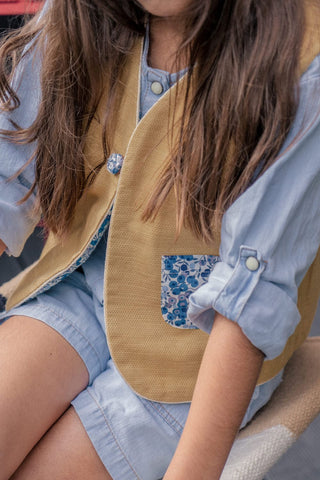
Discover our 100% upcycled vests for babies, children, and adults
In conclusion, slow fashion offers a more sustainable, ethical, and conscious approach to clothing production and consumption. It prioritizes quality over quantity, transparency over opacity, and people and the planet over profit. Slow fashion challenges the business model of fast fashion and promotes a shift towards a circular, regenerative, and equitable fashion industry.
As consumers, we have a responsibility to make informed choices and to support brands and practices that align with our values and vision for the future. We need to slow down our consumption of clothing, invest in fewer, higher-quality pieces, and take care of our clothes to extend their lifespan. We also need to demand transparency and traceability in the supply chain, hold brands accountable for their environmental and social impact, and support local and independent producers who have a closer relationship with their workers and a more sustainable approach to production.
At the heart of the slow fashion movement is the recognition that fashion is not just a commodity but a cultural, social, and environmental phenomenon that has a profound impact on our lives and the planet. By embracing slow fashion, we can transform our relationship with clothing, build a more resilient and regenerative fashion industry, and contribute to a more sustainable and just future for all.
The Azala Team
Further reading: What is fashion? Definition, industry and the life cycle of a garment.