

Eco-design: Transforming the Industry!
Eco-design, also known as ecological or sustainable design, is the practice of designing products and systems with the aim of minimizing their impact on the environment. The textile industry is an area where eco-design is particularly relevant, as the production and disposal of textiles can have a significant impact on the environment.
The first step in eco-designing textiles is to use sustainable materials. These include natural fibers such as cotton, linen, and hemp, which are biodegradable and require less energy to produce than synthetic fibers like polyester and nylon. In addition, sustainable materials like organic cotton, bamboo, and Tencel (made from wood pulp) are grown without the use of harmful pesticides and chemicals.
Another important aspect of eco-designing textiles is to reduce the use of water, energy, and chemicals during the production process. This can be achieved through the use of more efficient equipment and technologies, as well as the implementation of best practices such as recycling and reusing water.
In addition to reducing the environmental impact of textile production, eco-design also involves designing textiles that are easy to recycle or compost at the end of their useful life. This includes using natural dyes and avoiding the use of hazardous chemicals, as well as designing textiles that can be easily disassembled or repurposed.
Finally, eco-design in textiles also involves considering the entire life cycle of a textile product, from raw materials to disposal. This means taking into account the impacts of transportation, packaging, and distribution, as well as the overall durability and longevity of the product.
Eco-design is an important and necessary step in creating a more sustainable textile industry. By using sustainable materials, reducing resource use during production, designing for easy recycling and composting, and considering the entire life cycle of a textile product, we can create textiles that are better for the environment and for the people who use them.
The ecological value chain of textiles and the levers for eco-designing sustainable clothing
The textile industry is one of the main contributors to carbon emissions and pollution. According to the Global Fashion Agenda, the textile and apparel industry is responsible for about 10% of global greenhouse gas emissions. This is mainly due to the energy-intensive nature of textile production, as well as the use of chemicals and dyes in the manufacturing process.
One of the main sources of carbon emissions in the textile industry is the production of synthetic fibers, such as polyester and nylon. These fibers are derived from fossil fuels and require significant amounts of energy to produce. In contrast, natural fibers like cotton, linen, and hemp are biodegradable and require less energy to produce.
Another significant source of pollution in the textile industry is the use of chemicals and dyes in the production process. These chemicals can have negative effects on air and water quality, as well as on the health of workers and communities living near textile manufacturing facilities.
To address these environmental challenges, there are several steps that textile manufacturers can take. One is to switch to more sustainable materials, such as organic cotton, bamboo, and Tencel (made from wood pulp). These materials are grown without the use of harmful pesticides and chemicals, and they require less energy to produce.
Another step that textile manufacturers can take is to reduce their use of water, energy, and chemicals during the production process. This can be done through the use of more efficient equipment and technologies, as well as the implementation of best practices like water recycling and reuse.
In addition, textile manufacturers can also invest in more sustainable and environmentally friendly dyeing and finishing methods, such as using natural dyes, digital printing, and reduced water consumption during the dyeing process. This can significantly reduce the amount of chemicals and pollutants released into the environment.
Finally, textile manufacturers can also invest in closed-loop systems, which involve recycling and reusing textile waste. This can help to reduce the amount of textile waste that ends up in landfills, as well as the overall environmental impact of textile production.
By taking these steps, textile manufacturers can significantly reduce their carbon emissions and pollution, while also creating more sustainable and environmentally friendly products. It is important to note that consumers can play a significant role in promoting eco-design in the textile industry by choosing eco-friendly and sustainable products.
Upcycling and Eco-Design
Upcycling is a particularly effective response to the environmental challenges posed by the textile industry. Upcycling is the process of taking an existing material or product and transforming it into something of higher value or quality, without requiring additional resources.
One of the main advantages of upcycling in the textile industry is that it helps to reduce textile waste. According to the World Bank, the global waste generated by the textile industry is expected to increase by 60% by 2030. Upcycling allows textile waste to be reused and repurposed, rather than being sent to landfills.
Another advantage of upcycling in the textile industry is that it can help to reduce the environmental impact of textile production. Upcycling often requires less energy and resources than producing new textiles, which can help to reduce carbon emissions and pollution.
Upcycling can also be a creative and innovative way to design new textile products. By using existing materials and transforming them into something new, designers can create unique and one-of-a-kind products that stand out in the market.
Upcycling is also an excellent way for companies to differentiate themselves and to show their commitment to sustainability. By using upcycling in their production process, textile companies can appeal to consumers who are looking for environmentally friendly products.
For all these reasons, upcycling is an excellent response to eco-design in the textile industry, it helps to reduce textile waste, lower the environmental impact, encourage creativity and innovation, and appeal to environmentally conscious consumers. By incorporating upcycling into their production process, textile companies can help to create a more sustainable and environmentally friendly industry.
Discover our upcycled and eco-designed vests
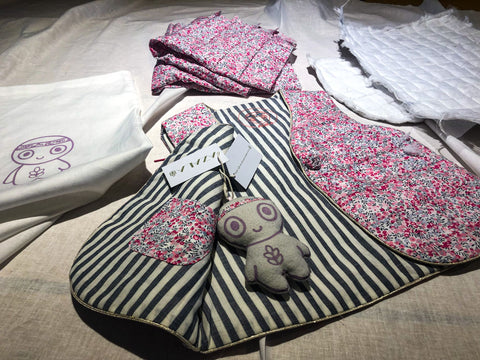
In conclusion, eco-design and upcycling are essential for addressing the environmental challenges posed by the textile industry. The textile industry is a major contributor to carbon emissions and pollution, with the production and disposal of textiles having a significant impact on the environment. Eco-design, also known as ecological or sustainable design, is the practice of designing products and systems with the aim of minimizing their impact on the environment. Upcycling is a particularly effective response to the environmental challenges posed by the textile industry. It helps to reduce textile waste, lower the environmental impact, encourage creativity and innovation, and appeal to environmentally conscious consumers.
It is important to note that consumers also play a crucial role in promoting eco-design in the textile industry. By choosing eco-friendly and sustainable products, consumers can drive demand for these products and encourage textile companies to adopt sustainable practices.
In summary, eco-design and upcycling are essential for addressing the environmental challenges of the textile industry and for reducing the overall footprint of textile production. By using sustainable materials, reducing resource use, designing for easy recycling and composting, and incorporating upcycling into their production process, textile companies can create more sustainable and environmentally friendly products. Consumers also have an important role to play in promoting eco-design in the textile industry by choosing eco-friendly and sustainable products. Together, we can create a more sustainable textile industry that benefits both the environment and the people who use these products.
The Azala team